Last updated November 22, 2026
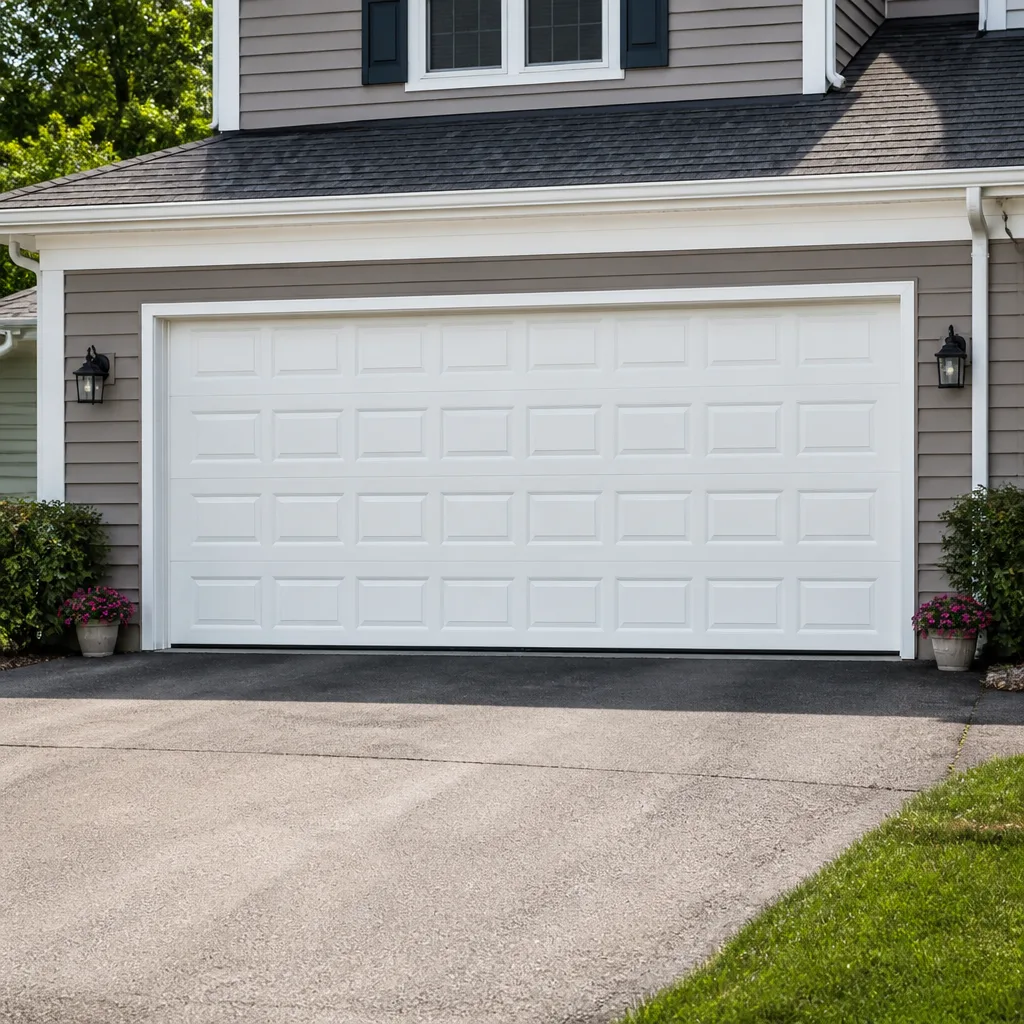 Raised-panel steel
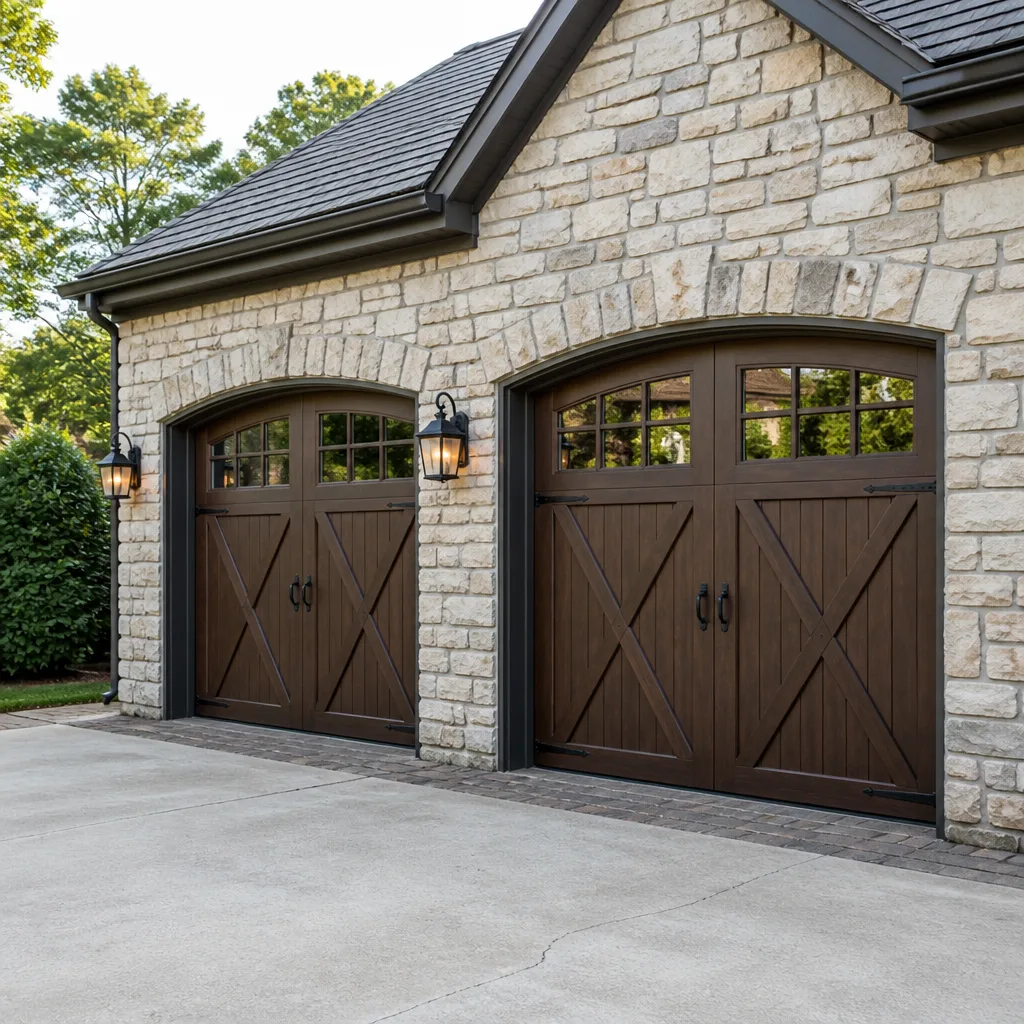 Carriage house
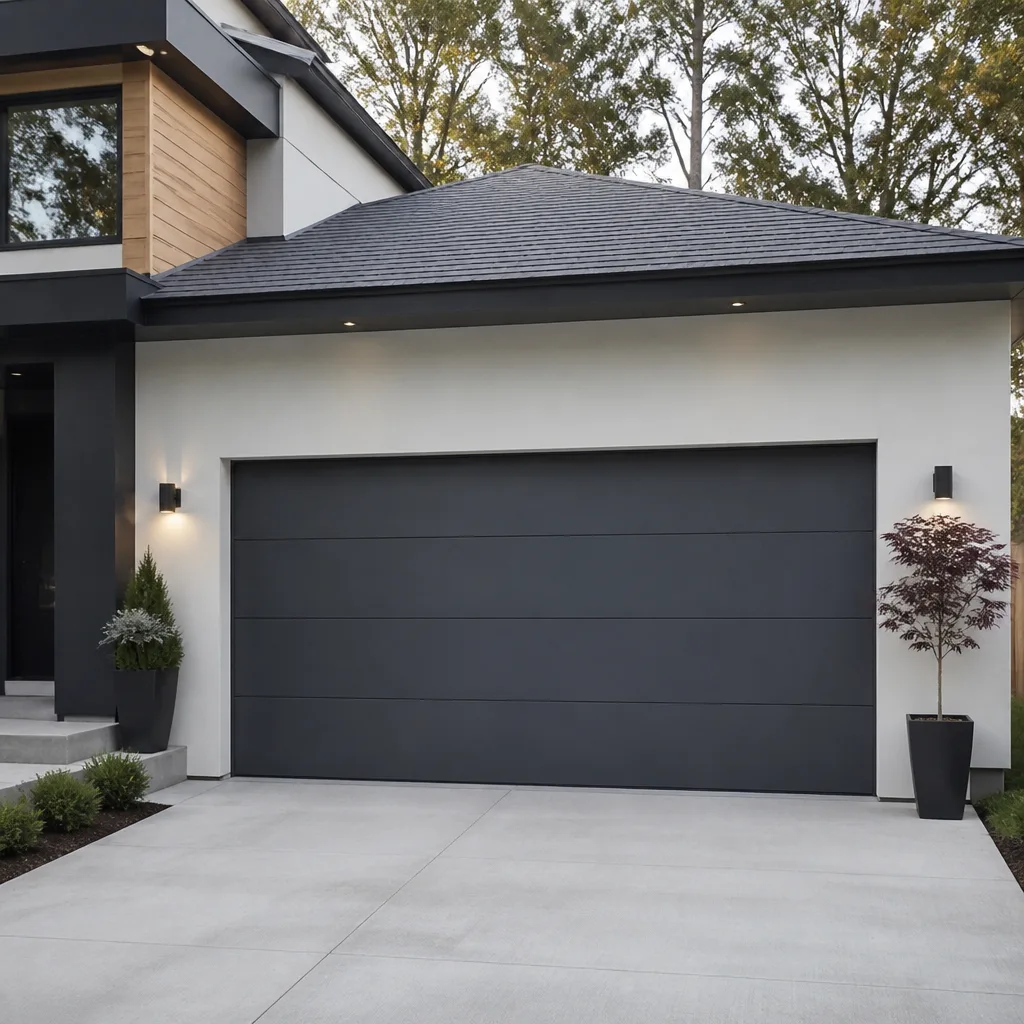 Modern flush
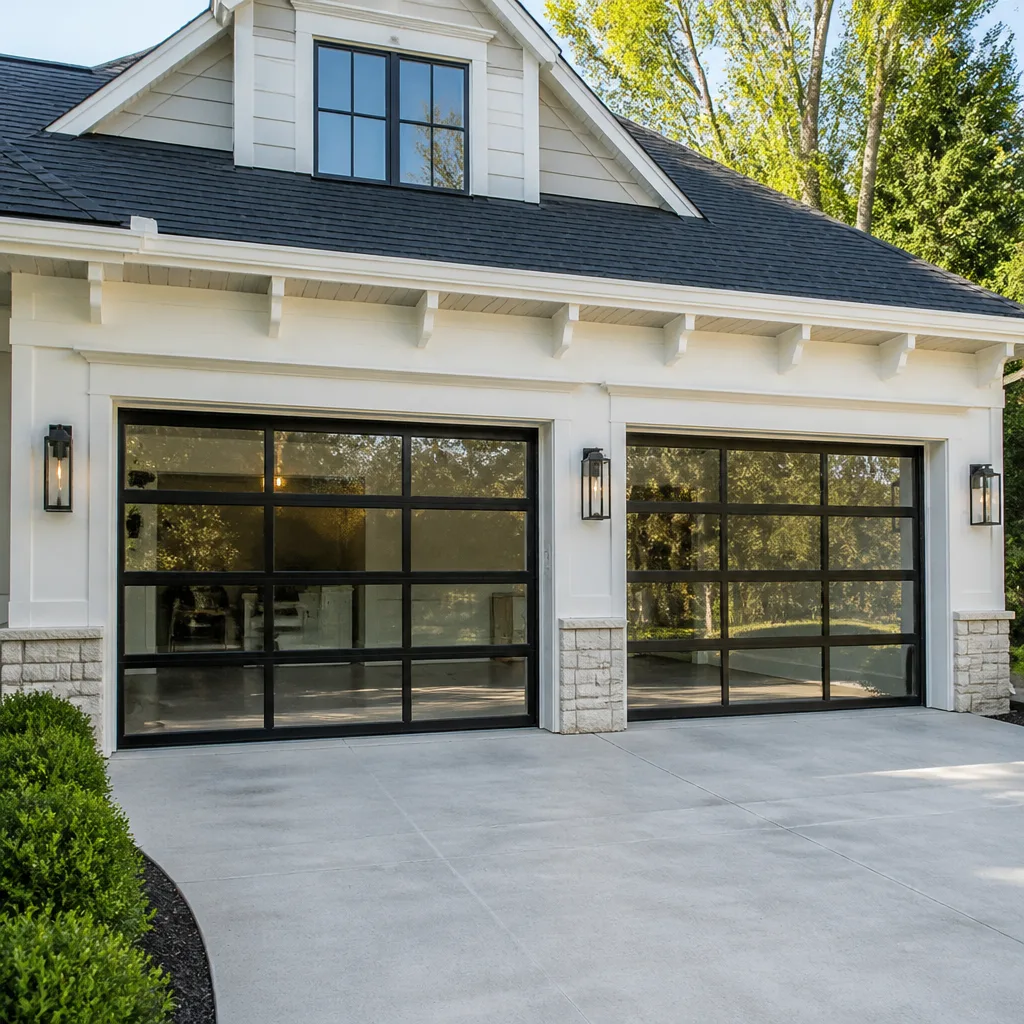 Full-view glass
 LiftMaster openers
 Chamberlain openers
Full 25-point door and opener safety check with every visit - springs, cables, rollers, tracks, and your LiftMaster or Chamberlain opener included
You get a price before we start. It does not change when the pro arrives.
Get your free estimateGarage Door Warning Signs: An Apple Valley Homeowner’s Reference Guide
A garage door that shudders on its way up isn’t always a spring problem. Sometimes it’s a worn roller. But a door that drops faster than normal when you disconnect the opener is a spring that’s about to let go completely, and that one means stop using the door today. The difference between those two situations is the whole point of this guide. Most warning-sign articles hand you a flat list of symptoms and leave you to guess whether you’re looking at an annoyance or a hazard. We’re going to sort the symptoms into three tiers, explain what each one actually points to, and give you a way to test your own door in Apple Valley before you pick up the phone.
Quick Answer
Garage door warning signs fall into three tiers: cosmetic issues you can monitor, functional issues you should schedule service for within a couple of weeks, and safety-critical conditions where you stop using the door immediately. Grinding, squeaking, and minor vibration are usually rollers, hinges, or lubrication. A door that reverses before it closes, responds slowly, or won’t stay balanced points to opener or spring problems that need a technician. Any door that slams down, hangs crooked, or has a visibly frayed cable is a stop-use-now situation.
Styles & brands we work with
- Raised-panel steel
- Carriage house
- Modern flush
- Full-view glass
- LiftMaster openers
- Chamberlain openers
Table of Contents
- The Three-Tier Triage System
- What Your Door’s Noise Is Telling You
- Spring Warning Signs and the Gap Test
- How to Check Your Cables Safely
- Opener Behavior Flags
- Track, Roller, and Panel Checks
- Apple Valley Seasonal Patterns Worth Knowing
- Common Mistakes to Avoid
The Three-Tier Triage System
Triage is the habit of asking one question before anything else: is this a safety issue or a convenience issue? Sort every symptom you notice into one of three buckets, and you’ll never overreact to a squeak or underreact to a cable that’s down to its last few strands.
Tier 1 – Cosmetic, monitor it. Faint squeaks, a little vibration, a slightly noisy opener, minor cosmetic dents in a steel panel. None of these compromise the door’s operation or your safety. Note them, watch for changes, and mention them at your next service.
Tier 2 – Functional, schedule within two weeks. A door that’s gotten noticeably louder, one section that catches on the way up, an opener that hesitates, a remote that only works from close range, rollers that have flat spots. The door still works, but the problem will get worse and usually more expensive.
Tier 3 – Safety-critical, stop using the door. A door that falls quickly when you pull the release, a visibly frayed or kinked cable, a door hanging crooked, a spring that’s visibly broken, or a door that comes down on something and doesn’t reverse. These are the conditions where a professional should look at the door before anyone uses it again.
We work on this tier system every day in Apple Valley, and the pattern is consistent: the Tier 1 calls we’d tell you to just watch tend to be the ones customers book a service for anyway, while some Tier 3 conditions sit for weeks because nobody realized a hanging door meant stop. If you’re unsure which tier you’re in, describe what you’re seeing and we can usually tell you over the phone whether to shut the door and call or just keep an eye on it.
What Your Door’s Noise Is Telling You
Sound is the fastest diagnostic tool you have, and it’s free. The trick is that different noises come from different components, and once you learn to match the sound to the part, you can decide whether you’re dealing with a $10 part or a spring that needs a technician.
- Grinding. Usually rollers or hinges. Steel rollers wear flat and drag against the track. Hinges dry out and metal grinds on metal. This is typically a Tier 2 issue: annoying, correctable, and unlikely to fail catastrophically, though a seized roller can eventually bend a track.
- Popping or snapping. Spring tension. A popping sound when the door moves usually means a torsion spring is winding unevenly or has a crack starting. Treat it as Tier 2 until it becomes a bang, at which point you’ve got a broken spring and a Tier 3 door.
- Scraping. Track alignment. The door is rubbing against the track because the track has bent or shifted. Left alone, a misaligned track can pull rollers out of the door and stress the panels. Tier 2, trending toward Tier 3 if the door starts binding.
- Rattling or clunking. Loose hardware. Bolts, brackets, and hinges work themselves loose over time. Often a quick tightening job, but worth checking before something falls off.
- A single loud bang. A broken spring. The door may still open if the opener lifts it, but the door is no longer balanced, and the other spring (if it’s a two-spring setup) is now carrying double the load. Stop using the door.
The other half of sound diagnosis is timing. A noise that only happens at one spot in the door’s travel points to a specific track or roller issue. A noise that runs the whole way up and down is usually a lubrication or hardware issue. And a noise that started suddenly rather than creeping in over months is more likely to be a failure than wear.
Spring Warning Signs and the Gap Test
Torsion and extension springs are the parts that store the energy to lift a door that can weigh hundreds of pounds. When a spring fails it releases that energy quickly. This is one of the few around-the-house repairs where a mistake can put someone in the hospital, so the right move for anything beyond a visual check is a trained technician.
Here’s what to look for, from a safe distance and without touching anything:
- A visible gap in the coil. A torsion spring is a tight coil of steel. If you can see a space in the winding, a break has started. Extended use will finish the job.
- The door feels heavier than usual. If you’ve been lifting it manually and it suddenly takes real effort, a spring has lost tension or already broken.
- The door doesn’t hold itself up. This is the balance test below, and it’s the most reliable spring check a homeowner can do.
- One side of the door lifts before the other. On extension spring doors, a broken spring on one side makes the door hang crooked and bind in the track.
Here’s the gap test for a spring balance check. It’s simple and safe if you follow the steps carefully:
- Close the door and pull the red release handle on the opener rail to disconnect the door. This frees the door from the motor.
- Lift the door by hand to about three feet off the ground.
- Let go. A balanced door stays put where you leave it. If the door drifts down on its own, the springs are losing tension. If it drops quickly and heavily, stop testing and call us.
A door that holds at three feet is passing that test, and one that drifts is failing it. We’ve seen plenty of doors in Apple Valley where the springs passed the gap test and the real culprit was a worn roller or a slightly misaligned track, so don’t assume drifts are always springs. But a genuine spring problem is not something to troubleshoot on your own. Call garage door spring repair for a free estimate and have the door looked at before it fails.
One local note: Apple Valley’s temperature swings between cold winters and warm summers work springs hard. Steel coils expand and contract through dozens of freeze-thaw cycles each year, and springs that have been in place through multiple seasons tend to fail faster than springs in milder climates. If your door is fifteen years old or older, it’s worth having the springs inspected before they surprise you.
How to Check Your Cables Safely
A good cable looks like a clean, tight coil of wire with no frayed edges and no kinks. A bad cable looks like a rope with individual strands untwisting or a visible fray on the cable drum itself. Cables are an eye-level check: you don’t need to touch them or reach into the mechanism to spot a problem.
- Where to look. The cables run from the bottom corners of the door (where they attach at the lift bracket) up to the drums at the top of the track or the torsion tube. Look at the vertical run along each side and then at the drum area at the top.
- What “good” looks like. A tight, evenly wound cable with no visible broken strands. On a torsion setup the cable is under tension, so it should look taut. On an extension setup the cable runs along the spring, and the spring should be intact.
- What “bad” looks like. Frayed ends, a bird’s-nest of loose wire at the drum, kinks or sharp bends, or a cable that’s come out of its drum groove entirely.
A frayed or kinked cable is a Tier 3 condition. Cables hold thousands of pounds of tension and can whip loose when they fail. Do not try to remove a cable or retension it. Call us for garage door repair and we’ll come look with the right tools and the door locked in place.
Opener Behavior Flags
Openers fail in predictable patterns, and each one points to a different component. We work on the major opener platforms, including LiftMaster, Chamberlain, Genie, and Craftsman, and in practice the behavior tells you a lot before you’ve even opened the cover.
- Slow response when you press the button. Usually a remote battery, a stale radio signal, or a worn wall switch. Start by replacing the remote battery, then check that the antenna wire on the opener isn’t tangled or disconnected. If it’s a smart-home-compatible opener and the app works but the remote doesn’t, it’s almost certainly the remote side.
- Excessive motor noise. A motor that’s gotten louder than it used to be usually means a failing gear assembly or a dried-out sprocket. If it’s a chain-drive opener, check the chain for sag. If it’s a belt or screw drive, listen for a rumble that wasn’t there before.
- Reversing mid-cycle. This is the most important one. An opener that reverses before the door fully closes is often a safety-sensor issue (look for a misaligned photo-eye, debris, or a sun glare problem), but it can also be a door that’s binding in the track and hitting enough resistance to trip the built-in safety. The opener is telling you the door isn’t moving freely.
- The door opens partway and stops. Usually a travel-limit setting that’s drifted, or a door that’s gotten heavier than the opener’s force setting can handle. If it started after a spring problem, the opener is trying to lift a door its springs no longer assist.
Modern openers bring modern components: when the Wi-Fi or smart-home connection is the only thing that’s stopped working, the troubleshooting moves to the connection and the app, not the motor itself. If your opener is making the right noises but the door isn’t where the app says it is, that’s often a sensor calibration issue rather than a failed motor. In either case, garage door opener repair can sort it without a guess-and-replace process.
Track, Roller, and Panel Checks
The track, rollers, and door panels take the most visible wear, and most of what you find here is in the Tier 1 or Tier 2 range. A quick visual sweep every few months catches most of it.
- Look down the track. Stand back and sight along the vertical track on each side. It should be straight. A bend or a bow means the door is going to bind, and that pushes everything else harder.
- Check the rollers. Steel rollers wear flat spots; nylon rollers can crack. A roller that won’t turn freely is dragging, and dragging stresses the panel it’s bolted to.
- Feel the panels. Press along the bottom panel and the section above it. Steel doors like the Clopay and Amarr panels that are common around Apple Valley can dent or rust at the seams over time, and a bent panel can pull the door out of alignment.
- Check the bottom seal. The rubber seal along the bottom of the door takes the most abuse from the weather. A torn or petrified seal lets in air, rain, and pests, and it’s a cheap part to replace.
Track damage is worth a second look because a door that’s binding doesn’t just sound bad, it puts stress on the opener, the panels, and the hinges. If the door shudders going up and the track looks straight, the looseness is usually at the hardware. If the track looks bent, it’s a real alignment job.
Brand matters on the panel side. Clopay, Amarr, and Wayne Dalton all use slightly different panel profiles and hinge positions, and a replacement panel sourced for the wrong door won’t fit cleanly. We work on Wayne Dalton doors regularly, and knowing the brand tells us what to expect before we get there. Watch whether the door has a brand plate on the inside of the bottom panel: that plate tells us exactly which panel we’re ordering.
Apple Valley Seasonal Patterns Worth Knowing
Apple Valley sees real winter cold and real summer heat, and that shift shows up in garage door problems in predictable ways. The pattern is worth understanding because it helps you know what to watch for and when.
Winter is hard on doors. Cold steel contracts, lubrication thickens, and the bottom seal gets stiff. A door that squeaked a little in October often squeaks loudly by January. If your door gets dramatically harder to operate in January and February, the fix isn’t always a part: sometimes it’s the right cold-rated lubricant on the hinges, rollers, and springs. But if the door has gotten genuinely heavy, don’t shrug it off as winter stiffness.
Spring freeze-thaw cycles also mean the gap between the door and its tracks can shift. A door that drags on the track more in winter than summer is telling you the tracks have moved slightly, which is a Tier 2 issue worth scheduling before the door gets stuck.
Summer is easier on springs but harder on the door’s finish. That’s when the steel panels you see on Clopay and Amarr doors show rust at the seams. Rust doesn’t compromise a door’s function right away, but it’s worth cleaning and touching up rather than letting a spot grow into a panel problem. And the rising sun on a photo-eye at the door’s base can fool an opener into reversing. That’s a common summer call that doesn’t need a repair at all: adjusting the sensor angle or the sun shield fixes it.
For doors on older properties around Apple Valley, the springs are often original to the door. If your door is past fifteen years or so, the springs have been through a lot of Apple Valley winters. Money spent inspecting and replacing tired springs before they break is usually money well spent compared to the surprise repair after a failure.
Common Mistakes to Avoid
- Assuming every shudder or squeak is a spring problem. A lot of what looks like a spring issue is a worn roller, a dry hinge, or a track that’s shifted a quarter inch. Diagnose from the sound and the gap test before assuming the worst.
- Trying to fix a spring or cable yourself. Spring and cable work involves high tension energy, and the wrong move can release it at you. There’s no shame in skipping this one. We do more garage door spring repair than any other single job because it’s the one part most homeowners should never handle themselves.
- Greasing the track. The track itself should stay clean; the rollers and hinges are what get lubricated. Greasing the track attracts dust and eventually makes the door slower.
- Ignoring a reversing door. A door that won’t close is usually a safety sensor, and the sensor is there for a reason. It also means the safety system is working. Get it sorted rather than propping or taping the sensor.
- Pushing the opener harder instead of fixing the door. Turning up the force setting on a door that’s gone heavy is a shortcut that shortens the opener’s life. The door should move easily; if it doesn’t, fix the door.
- Replacing a door that only needs repair. A door with a broken spring, worn rollers, and a tired opener is often a repair job, not a replacement. Shop for repair first and let the technician tell you honestly whether the door is worth saving.
- Waiting for a small noise to become a big one. A grinding roller is cheap to replace. A seized roller that bends the track isn’t. The cost of waiting runs in one direction.
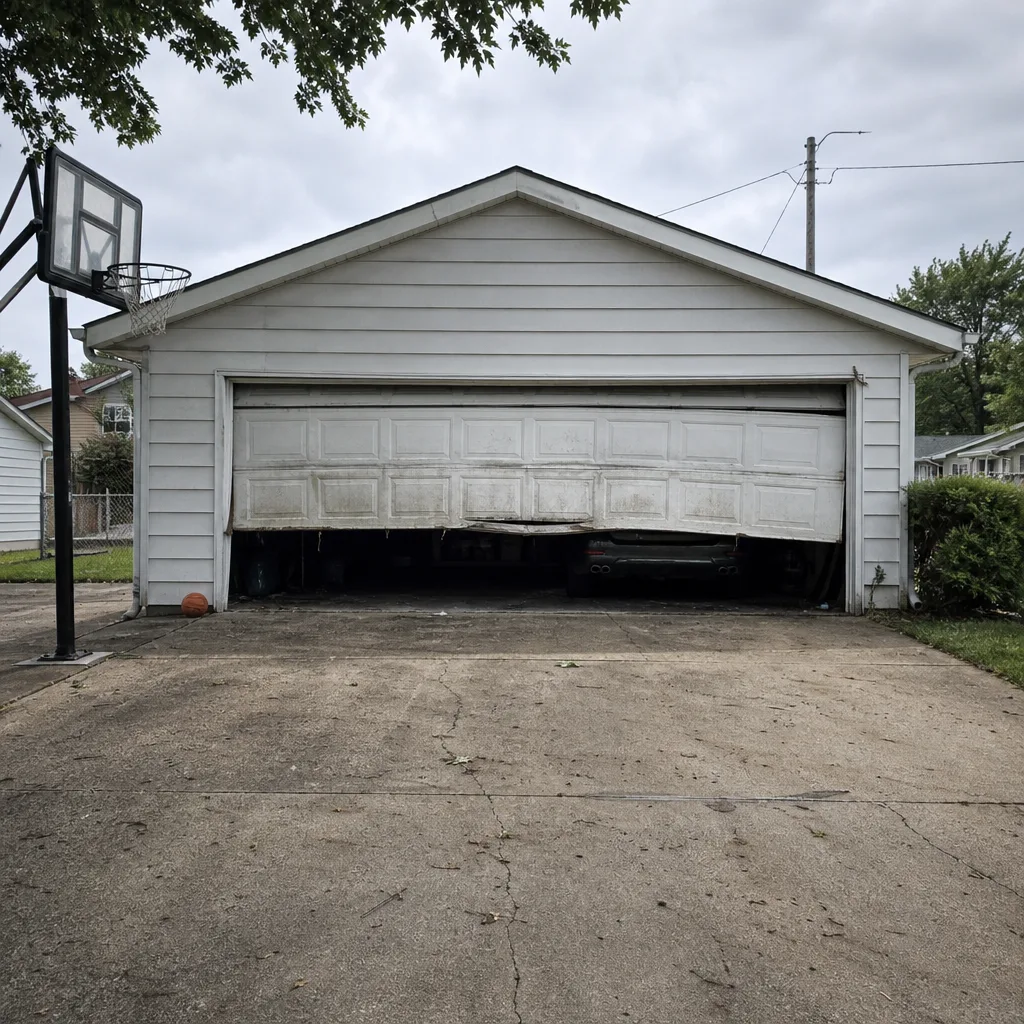
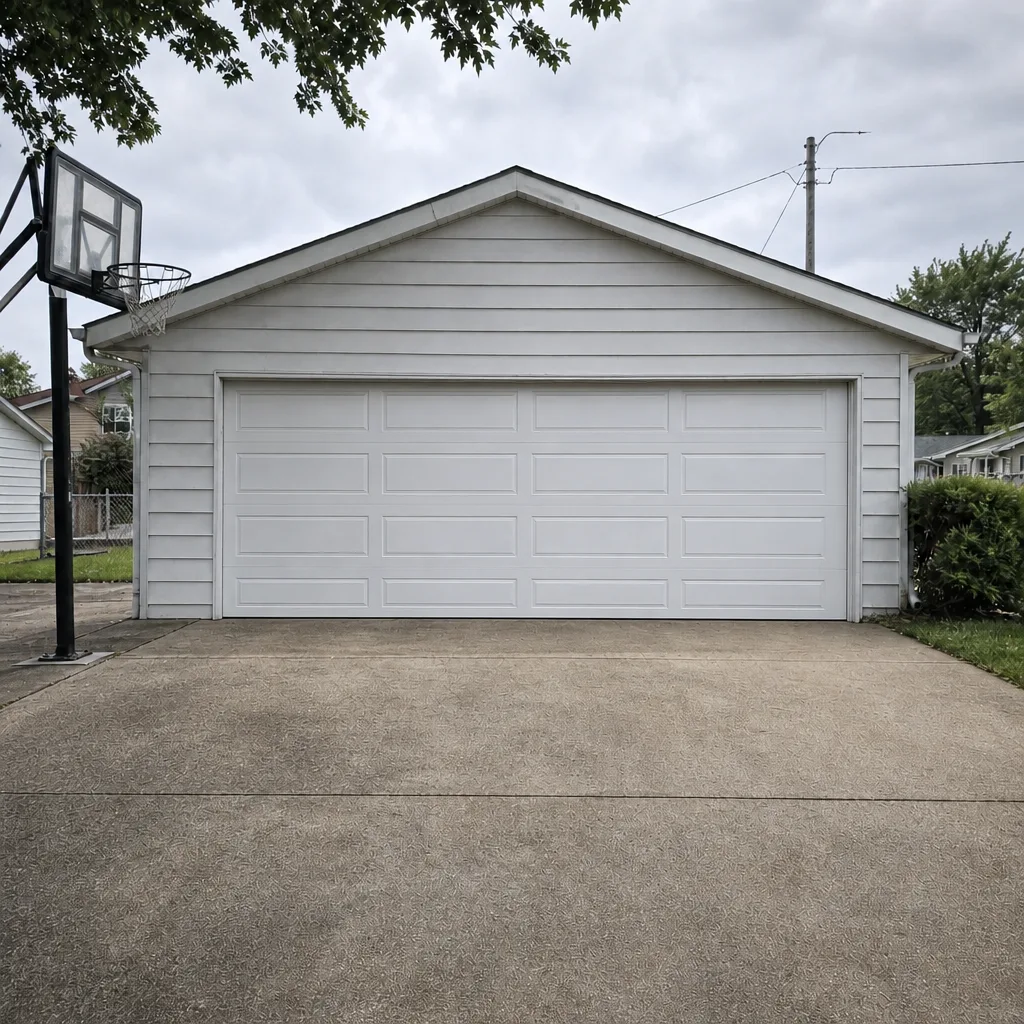
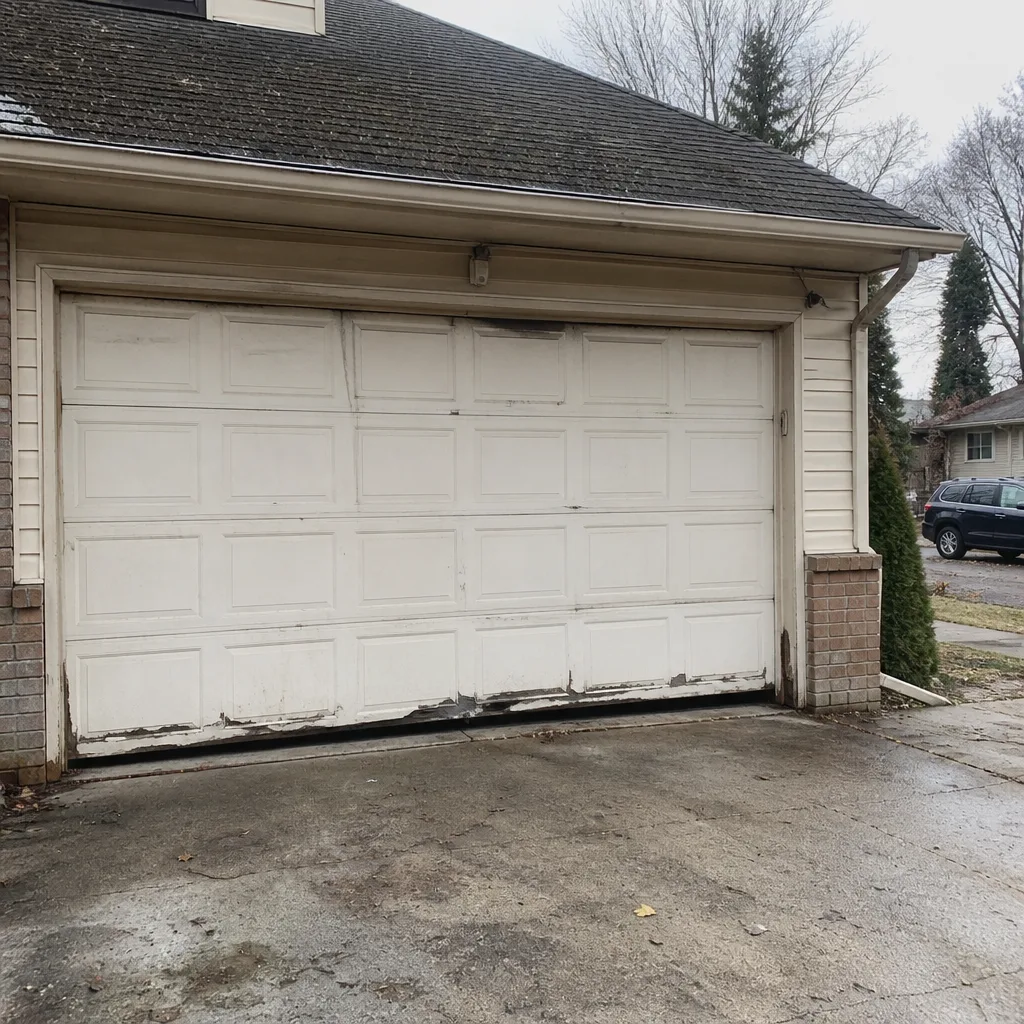
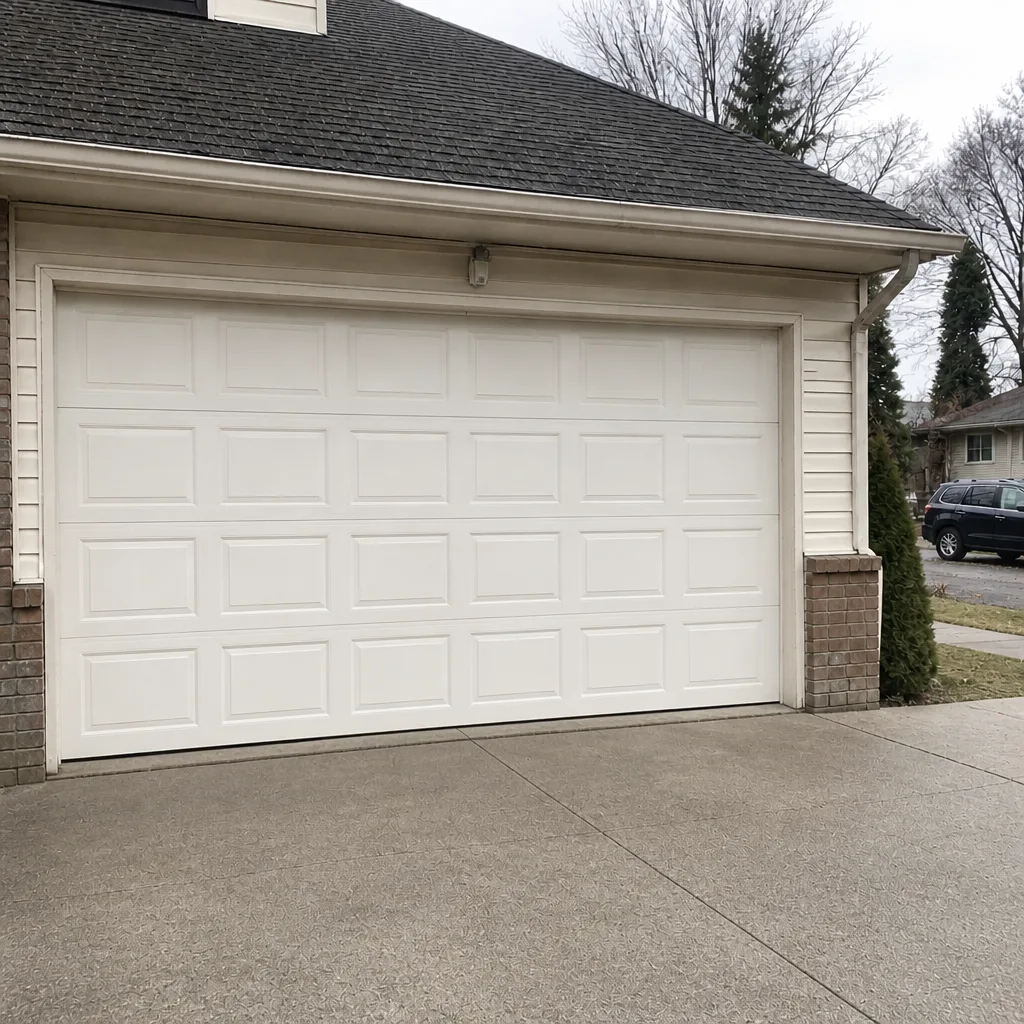
See the difference
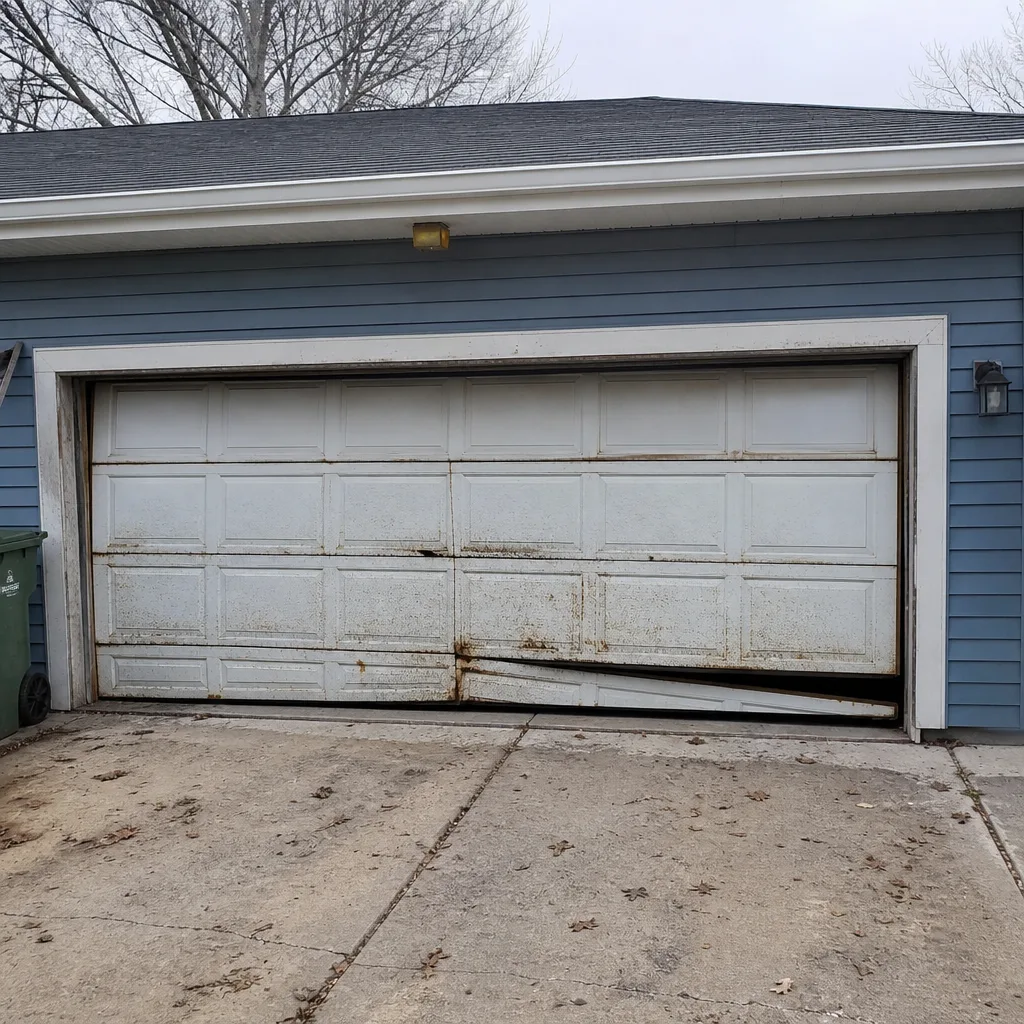 Before
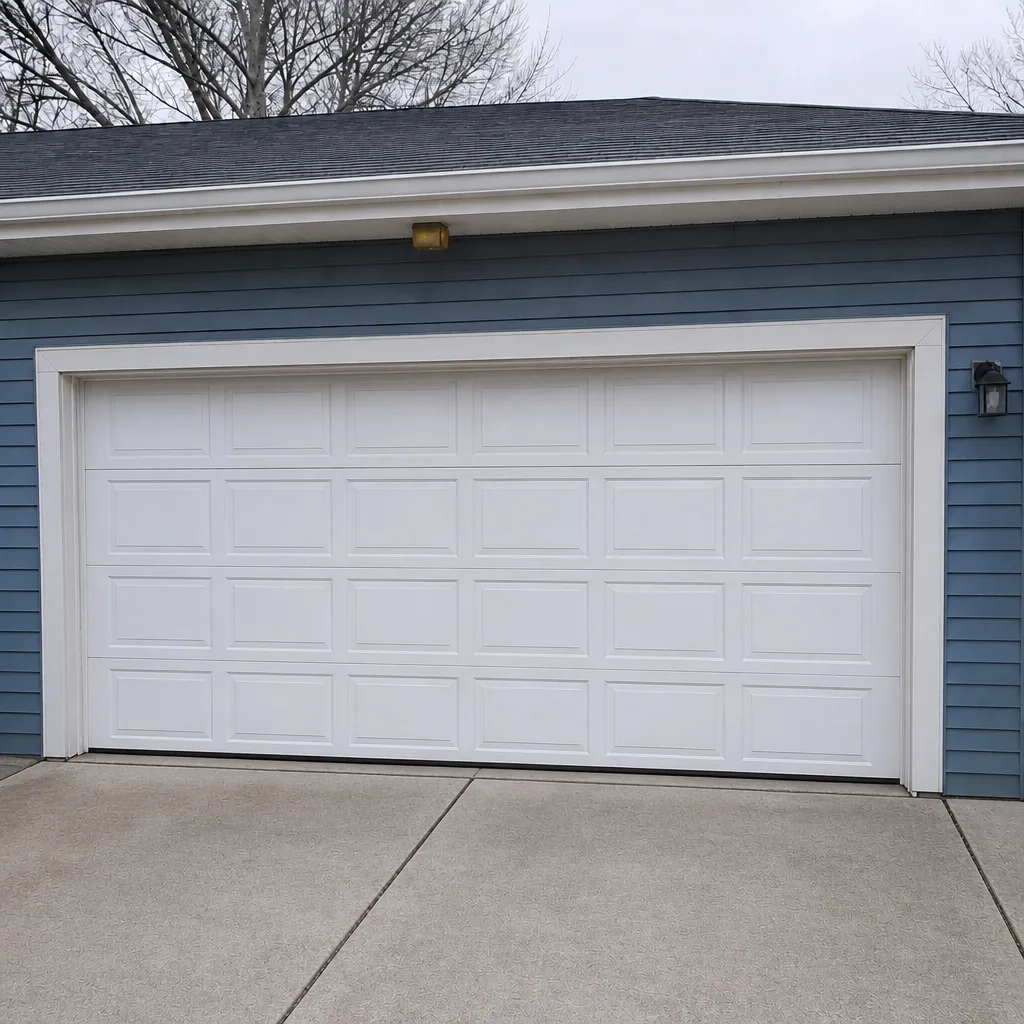 After
 Before
 After
 Before
 After
When to Call a Professional
We’re a garage door specialist because the line between “tighten a hinge” and “a spring is under tension” isn’t about the part; it’s about the risk. Call us when your door is hanging crooked, when you’ve seen a frayed cable or a gap in a spring, when the opener reverses before the door closes, or when the door has gotten dramatically heavier. Call us if a spring has visibly broken, and don’t use the door in the meantime. If you’re not sure which tier you’re in, call and describe what the door is doing; that conversation is free. Apple Valley Garage Door Repair Pros offers free estimates in Apple Valley, and our technicians have up to 9 years of experience with torsion and extension spring systems, opener platforms, and full door replacement. Call (844) 914-3733.
Frequently Asked Questions
A broken torsion spring usually announces itself with a loud bang and leaves a visible gap in the coil. A broken extension spring is often visible as a separated spring along the door’s side. If the door suddenly feels much heavier and doesn’t hold itself at three feet, that’s another strong sign. Call (844) 914-3733 and we’ll confirm it before you use the door again.
Usually not. A grinding sound is typically a roller or hinge issue, a scraping sound is a track alignment issue, and both are Tier 2 problems you can schedule within a couple of weeks. A popping sound from the spring area warrants a closer look sooner. If the noise is new and sudden rather than gradual, treat it as more serious.
For cosmetic issues like a bottom seal, lubricating hinges, tightening loose bolts, or replacing a remote battery, absolutely. For anything involving a spring or a cable, no: those parts store high-tension energy and can release it with serious force. That’s the line our technicians cross for you, and it’s the work we do most.
It depends on the part and what the diagnosis turns up. Roller, hinge, and track work is the lower end of the range, opener repair in the middle, and spring and cable work at the higher end because of the skills and safety gear involved. We quote the price before any work starts, and the written estimate is what you pay. Call (844) 914-3733 for a free estimate.
A door with a broken spring, worn rollers, or a stalled opener is usually a repair job. A door with extensive panel rust, multiple bent panels, or a frame that’s come out of square is more likely to be a replacement. We’ll tell you honestly which one your door is, because we do both repair and full installation and don’t have to steer you toward either.
Emergency service is a real, named part of what we do, and we’re set up to respond when a door won’t close and can’t wait. Call (844) 914-3733 and describe the situation so we can tell you what’s possible for that day. Free estimates are standard, and we’ll give you a timeframe when we talk.
The Bottom Line
Sort every garage door symptom into one of three tiers before you do anything else. Faint squeaks and minor vibration are cosmetic; watch them. Grinding rollers, a screeching hinge, a lagging opener, or a worn bottom seal are functional; schedule them within a couple of weeks. A broken spring, a frayed cable, a crooked door, or a door that drops fast are safety-critical; stop using the door today. Most warning signs outside the spring and cable category are fixable, affordable, and worth getting to before they compound. When it’s a spring or a cable, that’s our line to cross, not yours.
If you’re in Apple Valley and you’re not sure which tier your door belongs to, the crew at Apple Valley Garage Door Repair Pros can help. We work on LiftMaster, Chamberlain, Genie, Clopay, Amarr, Wayne Dalton, Craftsman, and Raynor systems, diagnose the tier your door is really in, and quote the price before any work begins. Call (844) 914-3733 for a free estimate.
Written by the team at Apple Valley Garage Door Repair Pros.