Last updated November 22, 2026
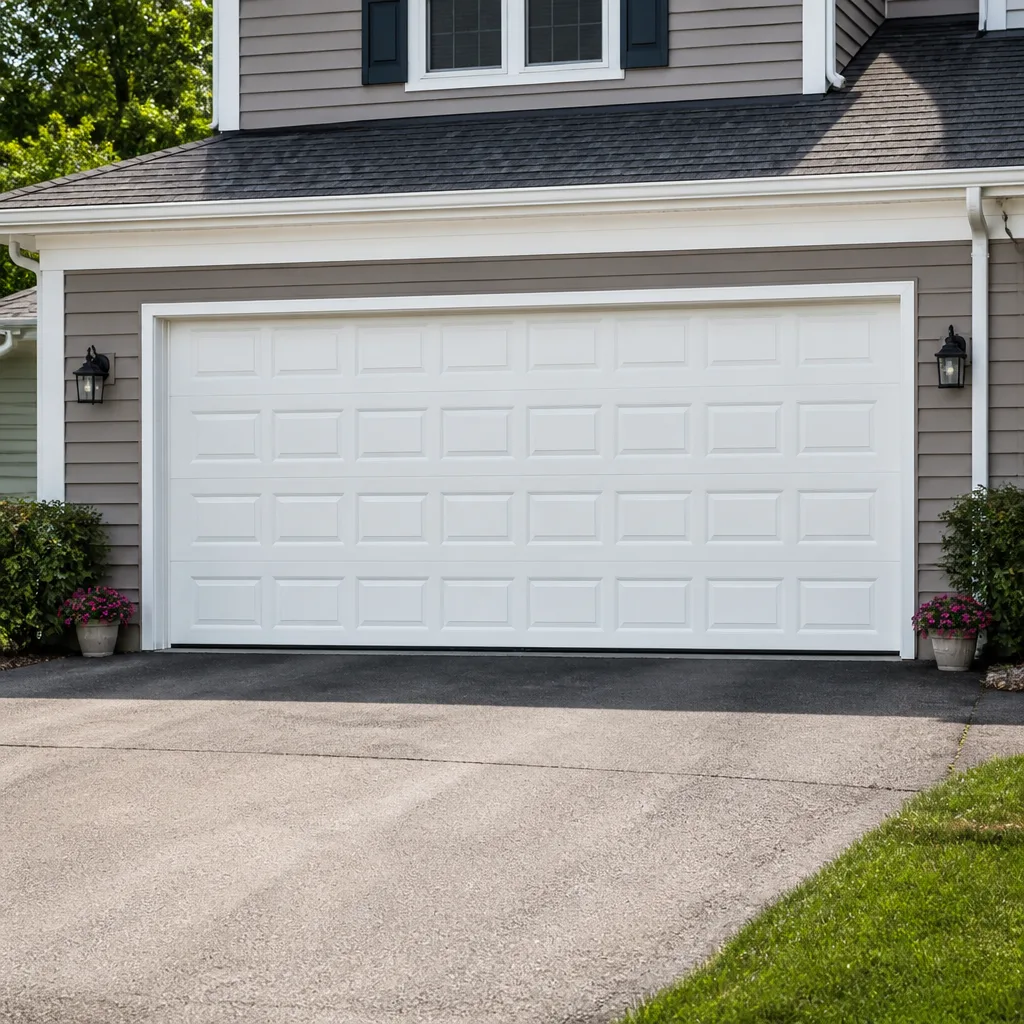 Raised-panel steel
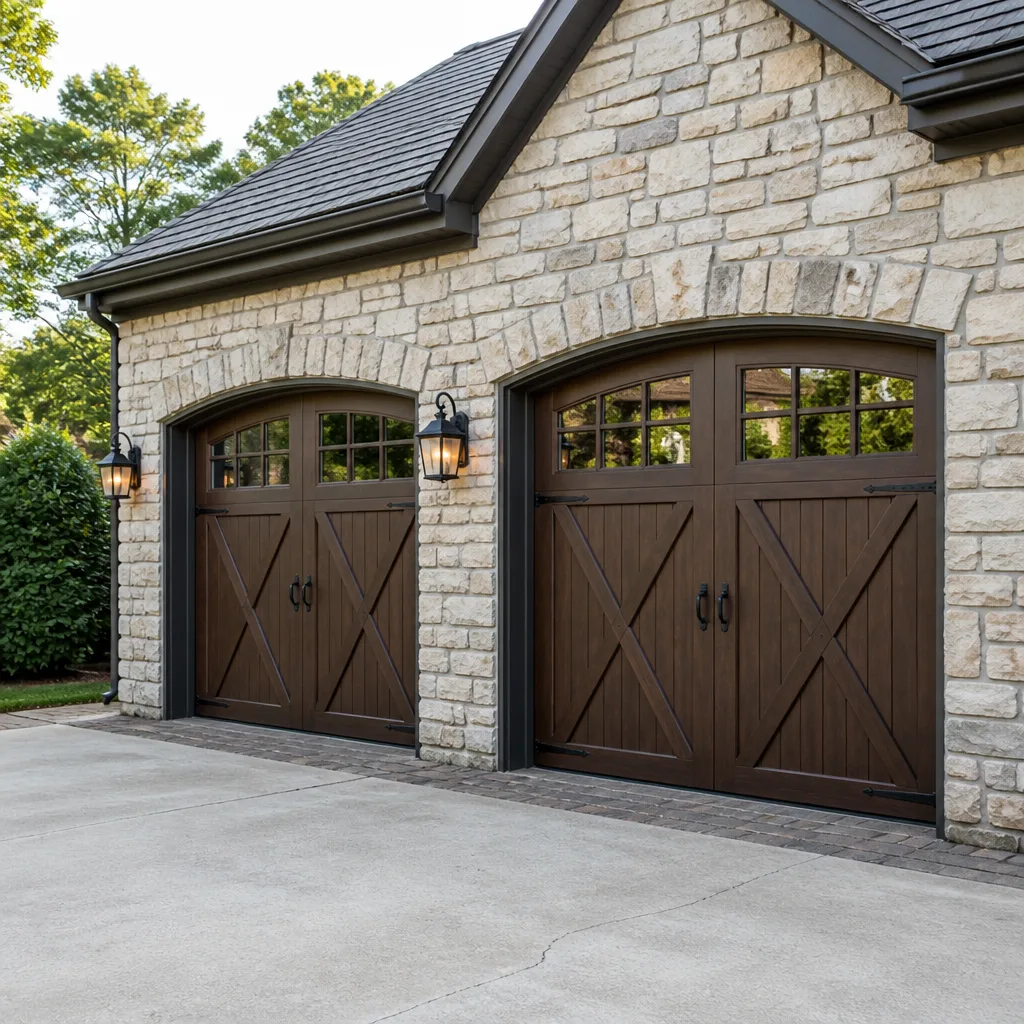 Carriage house
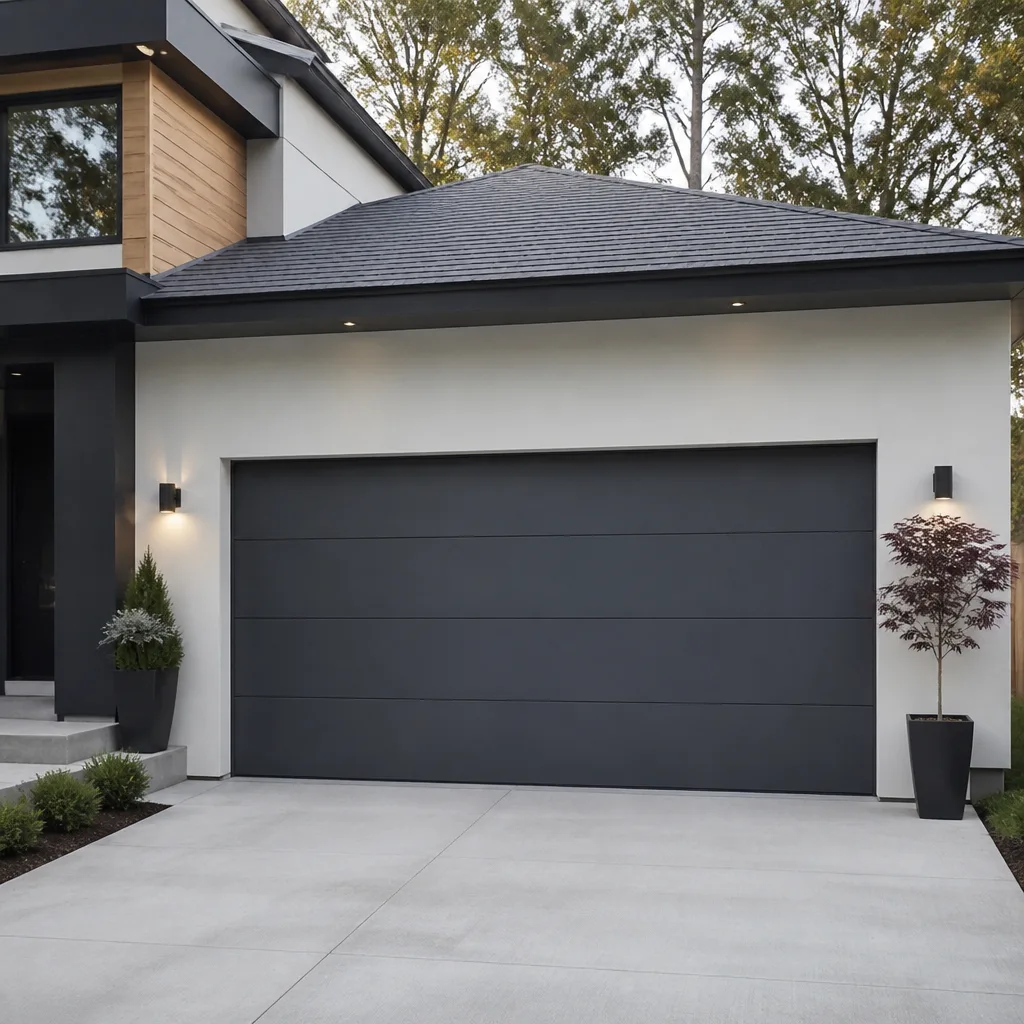 Modern flush
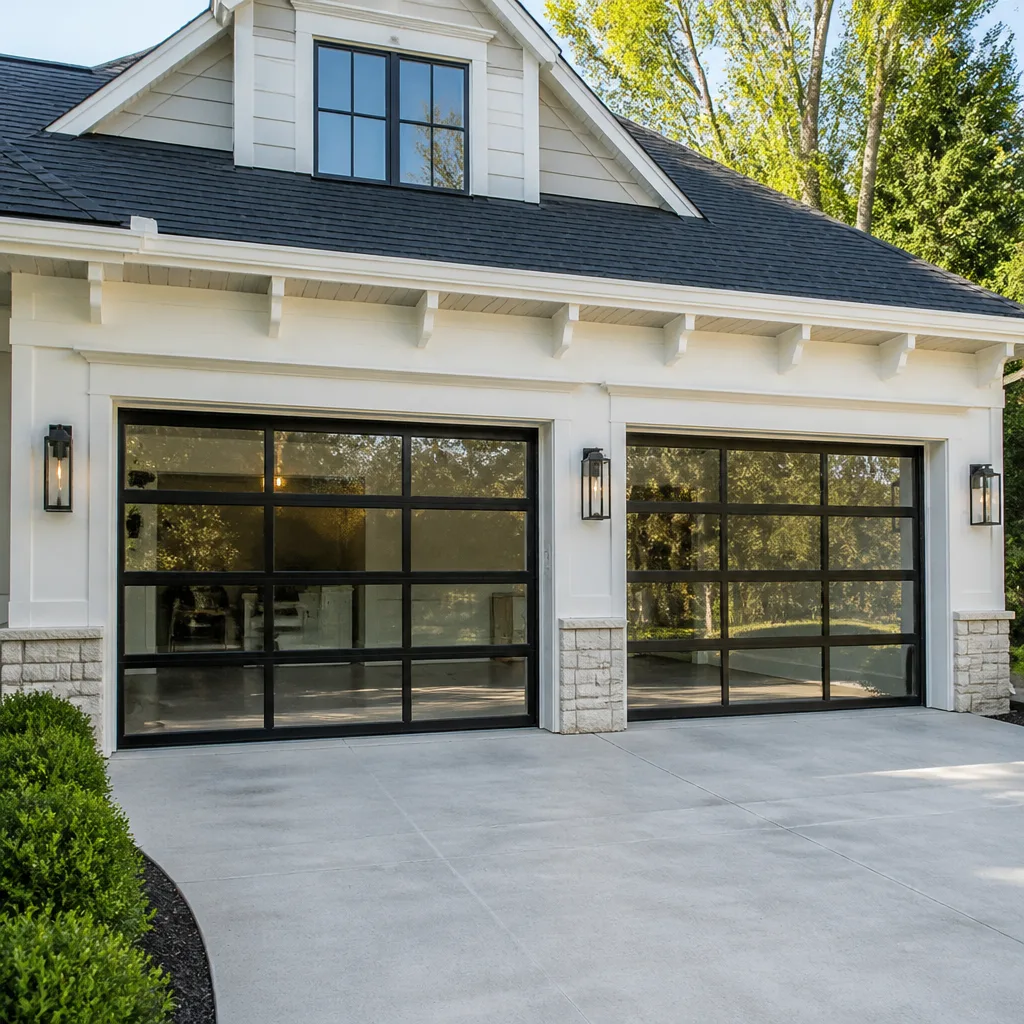 Full-view glass
 LiftMaster openers
 Chamberlain openers
Full 25-point door and opener safety check with every visit - springs, cables, rollers, tracks, and your LiftMaster or Chamberlain opener included
You get a price before we start. It does not change when the pro arrives.
Get your free estimateSeasonal Garage Door Care for Apple Valley: Year-Round Homeowner’s Guide
Most garage door advice assumes a mild climate where the worst thing that happens is a little rain. Apple Valley doesn’t work that way. A door here lives through January lows near 4°F, a July dew point that can sit in the mid-sixties for days, and a spring melt that sends water across flat suburban lots. The same door that glides up in October can strain and stall by February, and the opener usually takes the blame when a stiffened torsion spring is the real culprit. This guide maps each Apple Valley season to the failures it actually causes, so you can act before something breaks instead of after.
Quick Answer
Garage door care in Apple Valley is less about a spring-and-fall checklist and more about timing around four local events: the first hard freeze in late fall, the deep cold of January and February, the spring melt, and the humid stretch of July and August. Lubricate torsion springs and hinges before temperatures drop below 20°F, inspect the bottom seal and threshold before the thaw, and check track alignment when the slab shifts in fall. Each season has one or two jobs that prevent the most common breakdowns.
Styles & brands we work with
- Raised-panel steel
- Carriage house
- Modern flush
- Full-view glass
- LiftMaster openers
- Chamberlain openers
Table of Contents
- Why Generic Maintenance Advice Falls Short in Apple Valley
- November Prep: Lubricating Torsion Springs Before the Cold Sets In
- Deep Freeze: What Sub-Zero Temps Do to Springs, Seals, and Openers
- Spring Melt: Water Under the Door and the Threshold vs. Bottom Seal Difference
- Summer Humidity and Wood Composite Doors
- Fall Alignment: When the Slab Contracts and the Door Drifts
- The Apple Valley Seasonal Calendar at a Glance
- Repair or Replace? Reading the Season You’re In
Why Generic Maintenance Advice Falls Short in Apple Valley
National maintenance guides tell you to lubricate twice a year, tighten the hardware, and test the safety reverse. All of that is sound. The problem is that none of it accounts for how fast Apple Valley weather moves. A door here can go from comfortable fall temperatures to a hard freeze inside a couple of weeks, and the torsion spring at the heart of the system doesn’t get a warning period. Grease that pours easily at 45°F thickens into something closer to paste at 4°F, and the motor that lifted the door effortlessly in September suddenly sounds like it’s working too hard.
Apple Valley’s housing stock adds a second layer. The flat, graded lots common across neighborhoods like Valleywood and the subdivisions off Cedar Avenue mean meltwater has a long way to travel before it drains. Doors that sit at the bottom of a slight slope get the worst of it. In our experience, the failures we see in Apple Valley cluster around four weather events, not the calendar seasons most guides describe. That’s why this guide organizes around the local weather rather than a generic spring-and-fall rhythm.
One more thing worth stating at the top: the work that prevents most of these failures is genuinely simple. Lubrication, seal inspection, and a visual alignment check are things any homeowner can do. The repairs that follow a missed check are often not simple, and a few of them carry real danger. We’ll flag those as we go.
November Prep: Lubricating Torsion Springs Before the Cold Sets In
The single most useful thing you can do for your garage door in Apple Valley happens in November, before the first sustained cold arrives. Lubricate the torsion springs, hinges, and rollers while temperatures are still above freezing. Once the mercury settles below 20°F, most lubricants lose the viscosity needed to do their job, and the friction they were meant to reduce starts working against them.
Here’s why the timing matters so much. A torsion spring is a coil of steel under heavy tension, and it twists every time the door moves. The grease on that coil keeps the windings from grinding against each other. When that grease thickens in cold weather, the spring resists its own movement. The opener motor then has to pull harder to lift the door, and that extra load shows up as a strain on every part of the system. Homeowners often blame the opener when the spring is the actual problem. In our experience, that mix-up is one of the most common cold-weather service calls in Apple Valley.
What to Look For in a Cold-Weather Lubricant
- A product labeled for garage door use, not a general household spray. Silicone-based lubricants and dedicated garage door greases hold up better in cold than light oils or WD-40, which can attract dust and gum up.
- Something that stays fluid at low temperatures. If the label doesn’t speak to cold performance, it’s likely to thicken before Apple Valley hits its worst.
- A lithium or synthetic grease for the torsion spring itself if you’re comfortable applying it, or a silicone spray for hinges and rollers. If you’re not sure which product goes where, a quick call is cheaper than a spring replacement.
A word of caution: lubricating a torsion spring is a safe task. Adjusting or replacing one is not. Torsion springs are under enough tension to cause serious injury, and they’re one of the most dangerous parts of a garage door to work on. If a spring looks broken, has a visible gap, or the door won’t lift evenly, stop and call a professional. Apple Valley Garage Door Repair Pros handles garage door spring repair as a dedicated service, and that’s the right call for anything beyond a wipe-and-spray.
Deep Freeze: What Sub-Zero Temps Do to Springs, Seals, and Openers
January in Apple Valley brings average lows near 4°F, and that’s the number that matters for your garage door. At those temperatures, three things go wrong at once. Springs stiffen, seals harden, and openers strain. Understanding each failure mode helps you decide what’s a maintenance issue and what’s a call to a technician.
The Spring Gets Stiffer
Torsion springs are sized to lift a specific door weight balanced against gravity. Cold steel behaves differently than warm steel, and a spring that was perfectly rated for your door in October does more work in January. Combine that with stiffened grease, and the motor has to overcome two resistances at once. If your opener struggles in deep cold but works fine on milder days, the spring and lubrication are the first things to check. This is also why a garage door opener repair visit that only looks at the motor can miss the real cause. A good technician checks the whole system.
Rubber Bottom Seals Crack
The rubber seal along the bottom of your door is the part most vulnerable to deep cold. Standard rubber compounds get brittle below zero, and after a few winters they crack along the fold where the door meets the ground. Once that seal fails, cold air pours in, snow drifts under, and your garage becomes a cold-weather problem. The fix is a thermoplastic T-seal, which stays flexible in cold far better than standard rubber. A T-shaped profile seals against the floor more tightly than a simple flap, and thermoplastics resist cracking through repeated freeze-thaw cycles. If your current seal is more than a few winters old, this is a worthwhile November upgrade before the worst cold hits.
What to Check in Deep Cold
- Listen to the opener. If it sounds strained or the door lifts unevenly, suspect the spring before the motor.
- Look at the bottom seal for cracks, gaps, or a seal that’s pulled away from the door.
- Check that the safety reverse still works. Cold can affect the sensors, and a door that doesn’t reverse is a hazard.
- Clear snow and ice from the threshold so the door can close fully and the seal can seat.
Spring Melt: Water Under the Door and the Threshold vs. Bottom Seal Difference
When the snowpack finally goes in Apple Valley, the ground is still frozen and the water has nowhere to soak in. It runs. Flat lots near the Minnesota Zoo and along the slopes feeding into local ponds handle that runoff differently, and doors sitting at the low point of a graded lot take the worst of it. Water pooling under a garage door is one of the most common spring problems in Apple Valley, and it’s usually a seal issue, not a drainage catastrophe.
Here’s the distinction many homeowners miss: the bottom seal and the threshold seal are two different parts doing two different jobs. The bottom seal is the rubber or thermoplastic strip attached to the door itself. The threshold seal is the strip attached to the floor of the garage, usually a raised profile the door closes against. A failing bottom seal lets water in along the door edge. A missing or worn threshold seal lets water travel under the door regardless of how good the bottom seal is. The two work together.
Spring Melt Checklist
- Inspect the bottom seal for cracks, tears, or a seal that no longer touches the floor.
- Look at the threshold. Is there a raised seal, or is the door closing against bare concrete?
- Check for water stains or dampness on the garage floor near the door after a rain or melt.
- Clear any debris from the base of the door so the seal can seat flat.
- If water still gets in after the seals check out, the issue may be the slab or the grading, which a garage door technician can confirm but not always fix.
Replacing a bottom seal is a straightforward job, and it’s one of the best investments in spring. For doors that sit in the low spots of Apple Valley’s flat lots, a threshold seal addition can make the difference between a dry garage and a wet one. If you’re not sure which part is failing, an inspection will tell you quickly.
Summer Humidity and Wood Composite Doors
Apple Valley’s July dew points can stay in the mid-sixties for days, and that’s humid enough to affect a wood composite door in ways drier climates never see. Wood composite is a mix of wood fiber and resin, and it responds to moisture in the air the same way solid wood does, just more slowly. In sustained humidity, the material absorbs moisture, swells slightly, and can warp or cup over time. The finishes that protect it also break down faster under constant moisture cycling.
Why is Apple Valley’s humidity harder on a composite door than the same humidity in a drier climate? Because the door goes through the cycle repeatedly. Summer dew points climb, the material takes on moisture, and then the dry fall air pulls it back out. Every cycle stresses the finish and the grain. In many drier regions, a composite door never sees enough humidity to cycle at all. Here, it can happen several times a year.
Protecting a Wood Composite Door in Summer
- Keep the finish intact. A sealed surface keeps moisture out, and a cracked or peeling finish is an open door for humidity. Touch up or reseal as needed before the humid stretch.
- Watch the bottom edge. That’s where moisture collects first, and where a failing bottom seal lets humid air and water reach bare composite.
- Check the door for swelling at the seams and cupping across the panels. Early signs are easier to address than advanced ones.
- Keep gutters and drainage clear so water doesn’t sit against the door during summer storms.
If you have a wood composite door and you’re noticing warping or a finish that’s breaking down, Wayne Dalton and Raynor both make composite and steel-backed doors that handle humidity better than older wood-core models. We work on those systems and can tell you whether repair or replacement makes more sense for your situation.
Fall Alignment: When the Slab Contracts and the Door Drifts
Here’s something most guides skip entirely: the concrete slab your garage sits on contracts as temperatures fall. In September and October, that contraction can shift the floor slightly, and a door that tracked perfectly all summer can start to drift. The tracks may no longer sit parallel, the door may bind on one side, and the opener may start working harder to pull it up. None of this is dramatic. It’s a slow misalignment that shows up as a door that seems a little stiff, or a gap at one corner when it’s closed.
This is why the fall alignment check matters. Before the deep cold arrives, inspect the tracks for bends, check that the door sits level in the opening, and listen for grinding or scraping as it moves. A door that binds now will bind worse in January when the springs stiffen and the motor is already working harder. Catching it in fall is much easier than fixing it in the middle of a cold snap.
Fall Alignment Check
- Open and close the door and watch for uneven movement or a door that hesitates on one side.
- Look at the vertical tracks. They should be straight and parallel, with no visible bends near the bottom.
- Check the gap under the door when it’s closed. An even gap means the door is sitting level.
- Listen for scraping, grinding, or a door that sounds like it’s dragging.
- Check the bolts on the hinges and brackets. Some loosen over the summer and tighten up before winter.
Track adjustment is a job for a technician when the misalignment is more than minor. Tracks that are out of square need careful adjustment, and a door under spring tension should never be forced. If your door is drifting or binding as the weather cools, a garage door repair visit in fall beats an emergency call in January.
The Apple Valley Seasonal Calendar at a Glance
Here’s the whole year on one page, organized by the local weather rather than the calendar season. Use this as a quick reference and come back to the sections above for detail.
- Late October to early November (before temps drop below 20°F): Lubricate torsion springs, hinges, and rollers. Inspect the bottom seal. Test the safety reverse. This is the most important prep window of the year.
- November: Replace a worn bottom seal with a thermoplastic T-seal before deep cold. Clear snow and ice from the threshold as it accumulates.
- December through February (deep freeze, lows near 4°F): Listen for opener strain and uneven lifting. Check the seal for cracking. Clear snow from the door base. Suspect the spring, not the motor, if the door struggles.
- March through April (spring melt): Inspect the bottom seal and threshold for water intrusion. Check for dampness on the garage floor. Address any pooling under the door.
- May through August (summer humidity): For wood composite doors, check the finish and watch for swelling or cupping. Keep drainage clear. Reseal before the humid stretch if the finish is breaking down.
- September through October (fall alignment): Check tracks, listen for grinding or binding, and verify the door sits level. Adjust or repair before the cold arrives.
Repair or Replace? Reading the Season You’re In
The seasonal care in this guide keeps a healthy door healthy. But at some point, the math shifts. A door that needs a spring replacement in November, a bottom seal in spring, and track work in fall is telling you something. It’s worth understanding when a repair makes sense and when you’re putting money into a door that’s near the end of its life.
Repair is usually the right call when the door structure is sound and the problem is a single component. A broken spring, a failed opener, a worn seal, or a bent track can all be fixed without touching the rest of the door. Replacement makes more sense when the door itself is warped, the panels are damaged, the insulation value matters more to you than it used to, or the door is old enough that multiple parts are failing at once. A wood composite door with chronic humidity damage is a candidate for replacement, especially if the finish keeps breaking down despite resealing.
We handle both sides of that decision. The same team that repairs a LiftMaster opener or a Craftsman system can replace the door entirely when repair stops being cost-effective. That means you don’t have to find a different company halfway through the door’s life. If you’re unsure which way to go, an inspection with a written estimate will tell you what’s needed and what it will cost before any work starts.
Common Mistakes to Avoid
- Waiting until January to lubricate the spring. Grease that’s applied in deep cold doesn’t spread properly and won’t do its job. Do it in November, before temperatures drop below 20°F. Once the cold sets in, you’re lubricating too late.
- Blaming the opener for a spring problem. An opener that strains in cold weather is usually fighting a stiff spring. Replacing the motor without checking the spring wastes money and leaves the real issue in place.
- Using a rubber bottom seal instead of thermoplastic. Standard rubber cracks in sustained sub-zero temps. A thermoplastic T-seal stays flexible and lasts through more freeze-thaw cycles. It costs a little more and lasts a lot longer.
- Ignoring the threshold seal. In Apple Valley’s flat lots, water gets under the door through the threshold, not just the bottom edge. Replacing one seal without checking the other leaves the job half done.
- Skipping the fall alignment check. The slab contracts in fall, and a door that worked all summer can start to bind. Catching it in September beats a cold-weather emergency call.
- Forgetting the wood composite door in summer. Apple Valley humidity cycles a composite door more than many climates do. A finish that’s breaking down lets moisture in, and warping follows. Inspect and reseal before the humid stretch.
- Adjusting a torsion spring yourself. This is the one mistake worth calling out separately. Torsion springs are under heavy tension and can cause serious injury. Leave spring adjustment and replacement to a technician.
See the difference
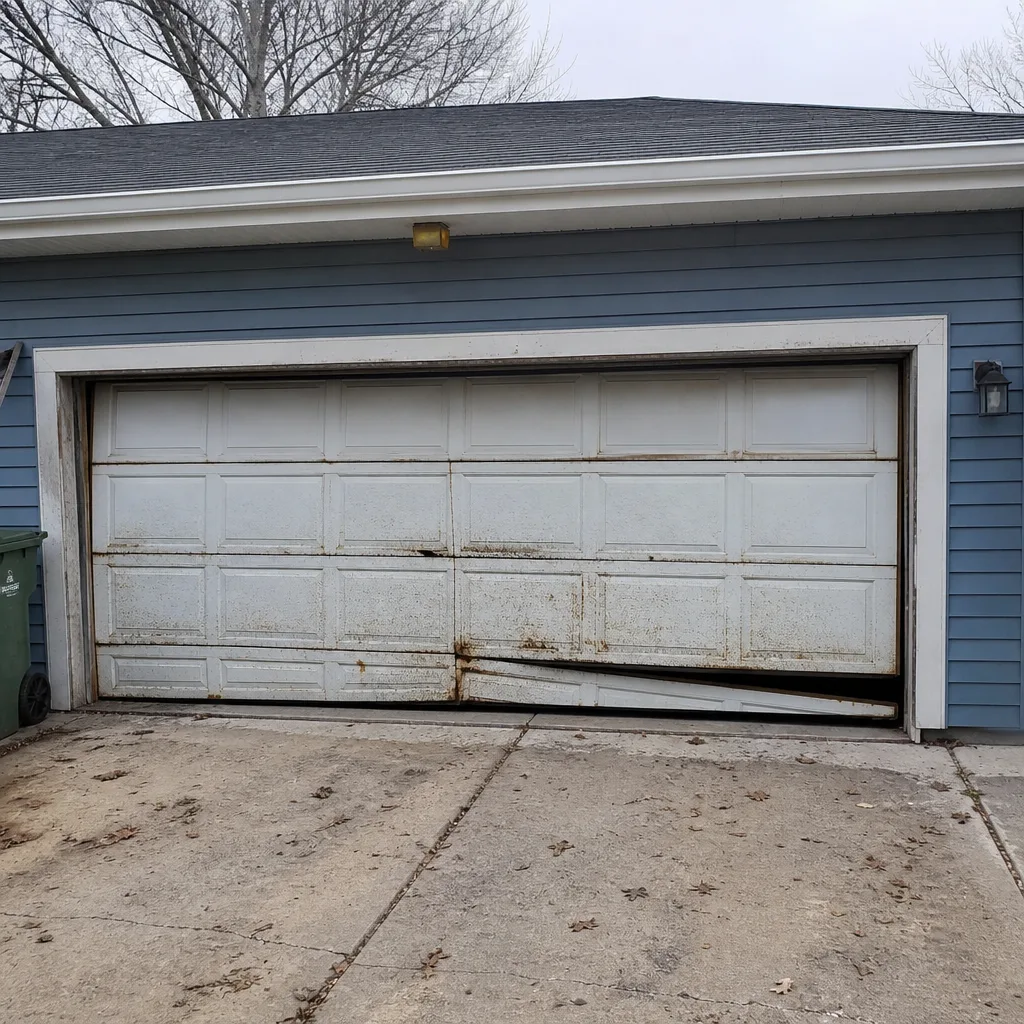 Before
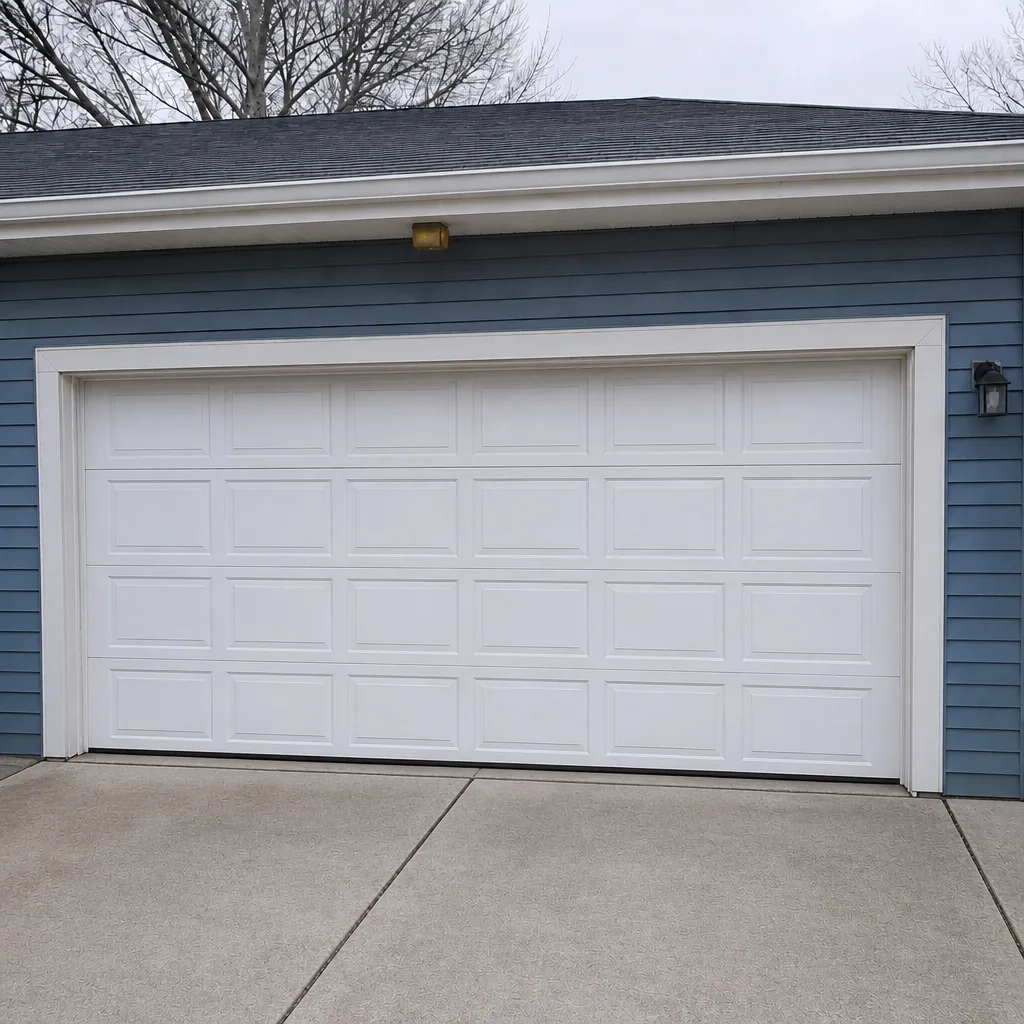 After
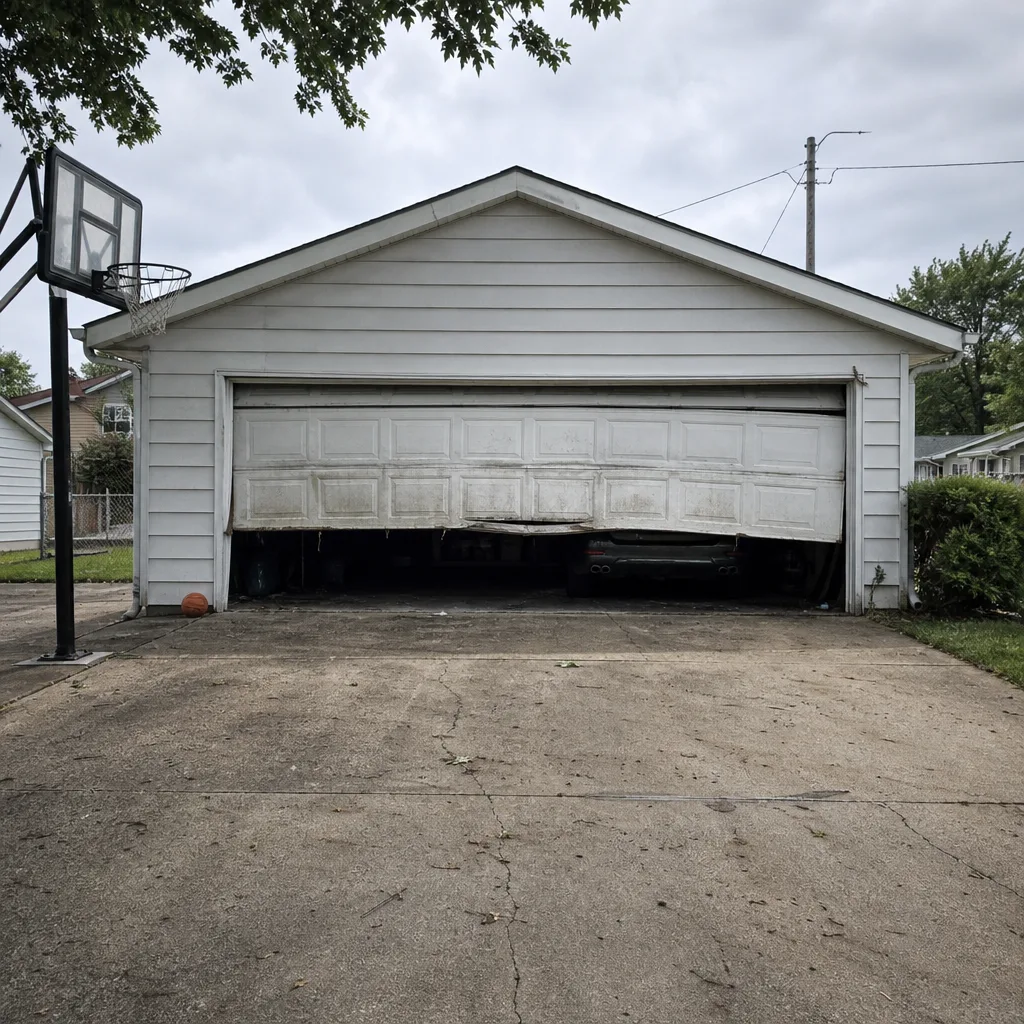 Before
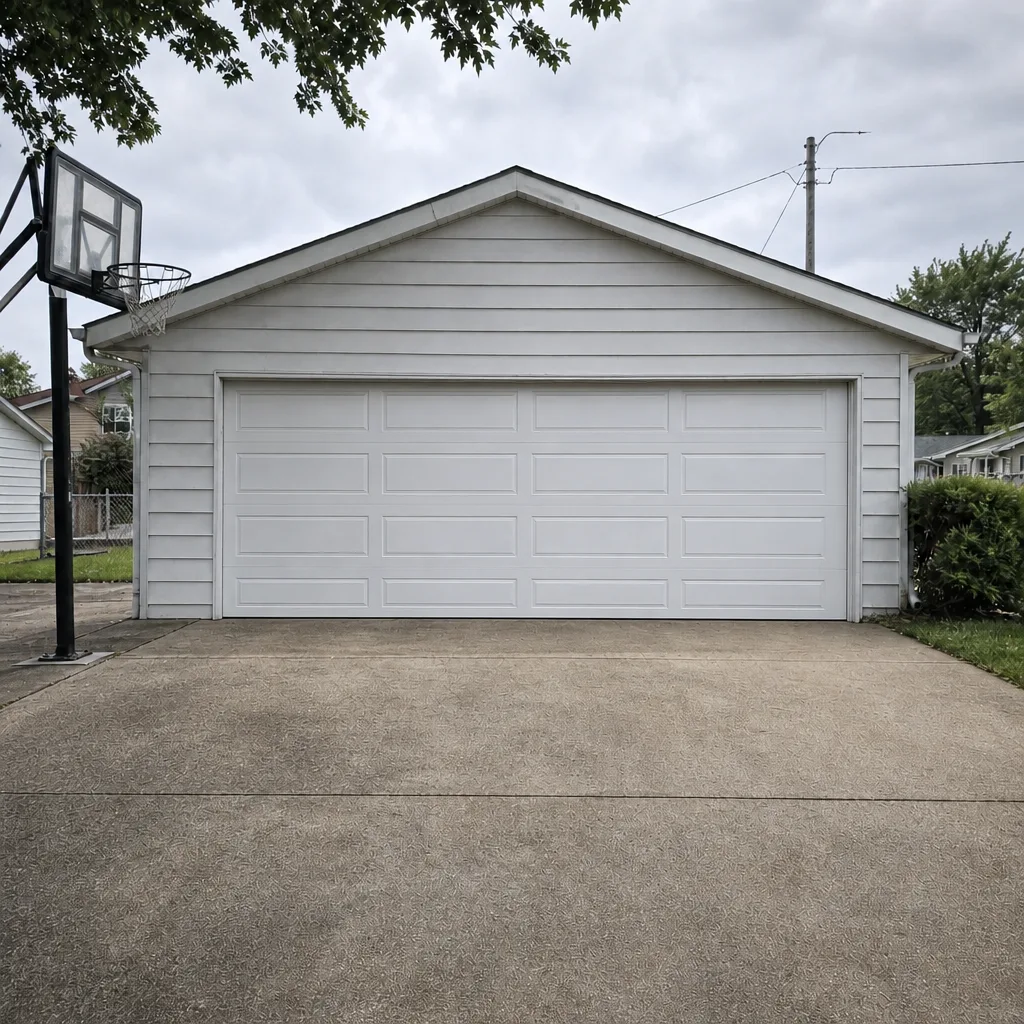 After
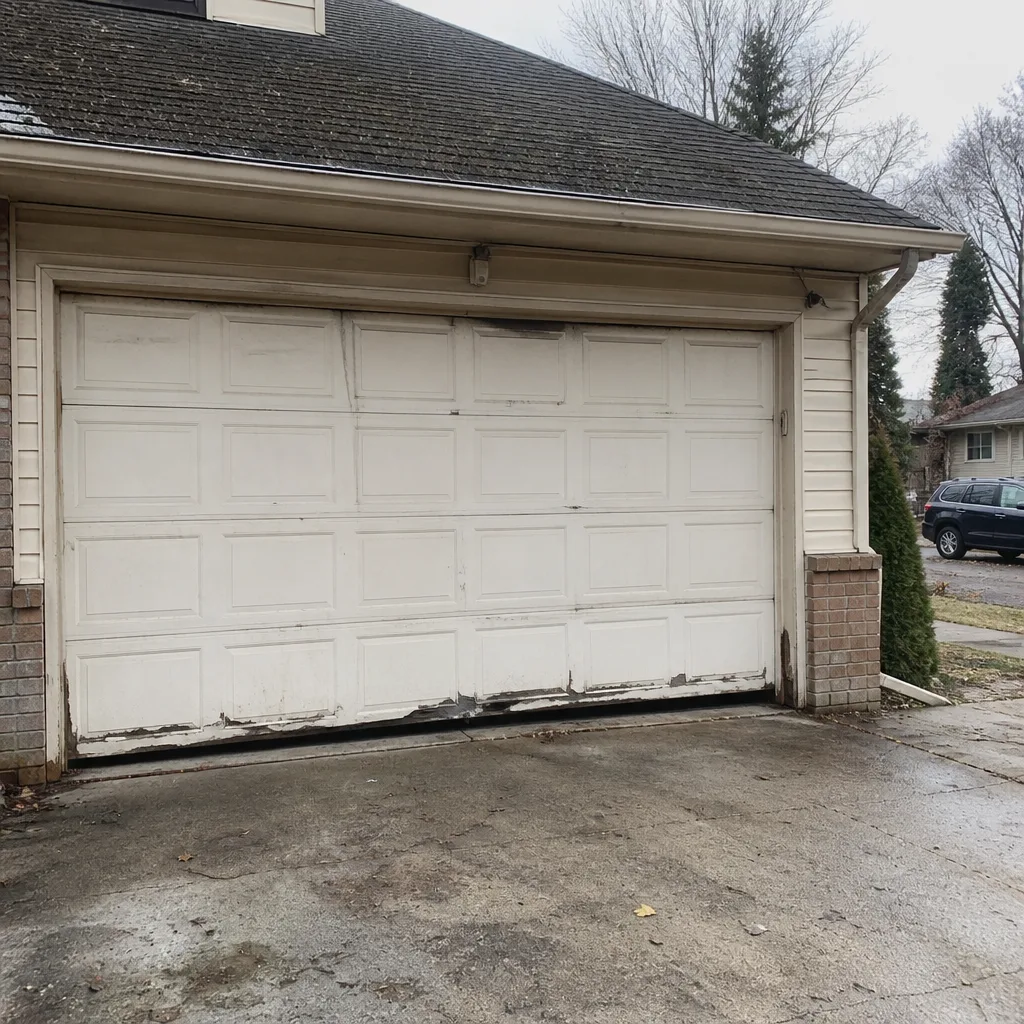 Before
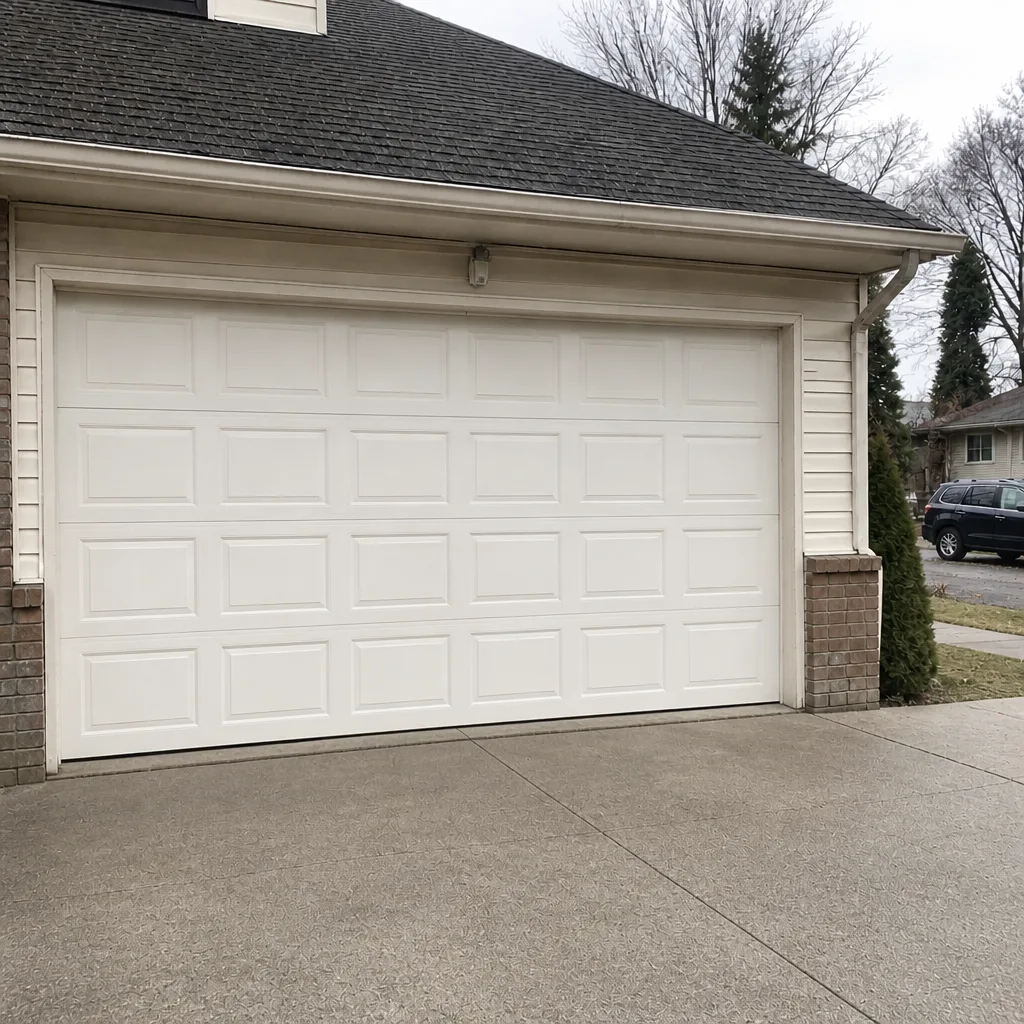 After
When to Call a Professional
Some seasonal care is homeowner work: lubricating hinges and rollers, inspecting seals, clearing snow, and listening for problems. Some of it isn’t. Call a professional when a torsion spring is broken, when the door lifts unevenly or binds, when the opener strains despite lubrication, when tracks are bent or out of square, or when a bottom seal replacement is beyond what you’re comfortable doing. The same goes for anything involving the opener’s electrical components or the door’s safety sensors, where a mistake can turn a working door into a hazard.
Apple Valley Garage Door Repair Pros offers free estimates in Apple Valley. Call (844) 914-3733 to schedule an inspection, and the price is quoted and agreed before any work starts.
Frequently Asked Questions
Late October or early November, before temperatures consistently drop below 20°F. Cold thickens lubricant and reduces its ability to protect the spring and hinges, so lubricating before the hard freeze is the single most useful seasonal task for an Apple Valley door. Call (844) 914-3733 if you’d rather have a technician handle it along with an inspection.
Usually because the torsion spring has stiffened, not because the motor is failing. Cold thickens the grease on the spring and makes the steel itself harder to twist, so the opener has to work harder to lift the door. A technician can confirm whether the spring, the lubrication, or the opener is the actual problem. Call (844) 914-3733 for a diagnosis.
The bottom seal attaches to the door; the threshold seal attaches to the floor. Both are needed to keep water out during Apple Valley’s spring melt, and a failure in either lets water under the door. Inspecting both is part of a spring check. Call (844) 914-3733 if you’re not sure which one is failing.
It can last a few winters, but rubber gets brittle below zero and cracks at the fold. A thermoplastic T-seal stays flexible in cold and resists cracking through repeated freeze-thaw cycles, which is why it’s the better choice for Apple Valley doors. A technician can replace yours before the cold sets in. Call (844) 914-3733 for an estimate.
Yes, more so in Apple Valley than in drier climates. July dew points stay in the mid-sixties for days, and a composite door absorbs and releases moisture through repeated cycles that stress the finish and the grain. Keeping the finish sealed and the bottom edge protected prevents most warping. Call (844) 914-3733 if you’re noticing swelling or finish breakdown.
The concrete slab contracts as temperatures fall, and that slight shift can throw the tracks out of alignment. A door that tracked fine in August can start to bind in September. A technician can check the alignment and adjust the tracks before cold weather makes it worse. Call (844) 914-3733 for an inspection.
The Bottom Line
Seasonal garage door care in Apple Valley comes down to timing around four local weather events: the first hard freeze, the deep cold of January, the spring melt, and the summer humidity. Lubricate the spring before temperatures drop below 20°F, replace a worn rubber bottom seal with a thermoplastic T-seal, check the threshold before the thaw, protect wood composite doors through the humid months, and check alignment when the slab contracts in fall. Each task is small. Skipping them is what turns a small task into a repair, and a few of those repairs are genuinely dangerous to attempt alone. If you’d like an inspection or a free estimate, call Apple Valley Garage Door Repair Pros at (844) 914-3733. Whether it’s Apple Valley Garage Door Repair Pros seasonal service, a garage door repair, or a full replacement, the same team handles it from start to finish.
Written by the team at Apple Valley Garage Door Repair Pros.