Last updated November 22, 2026
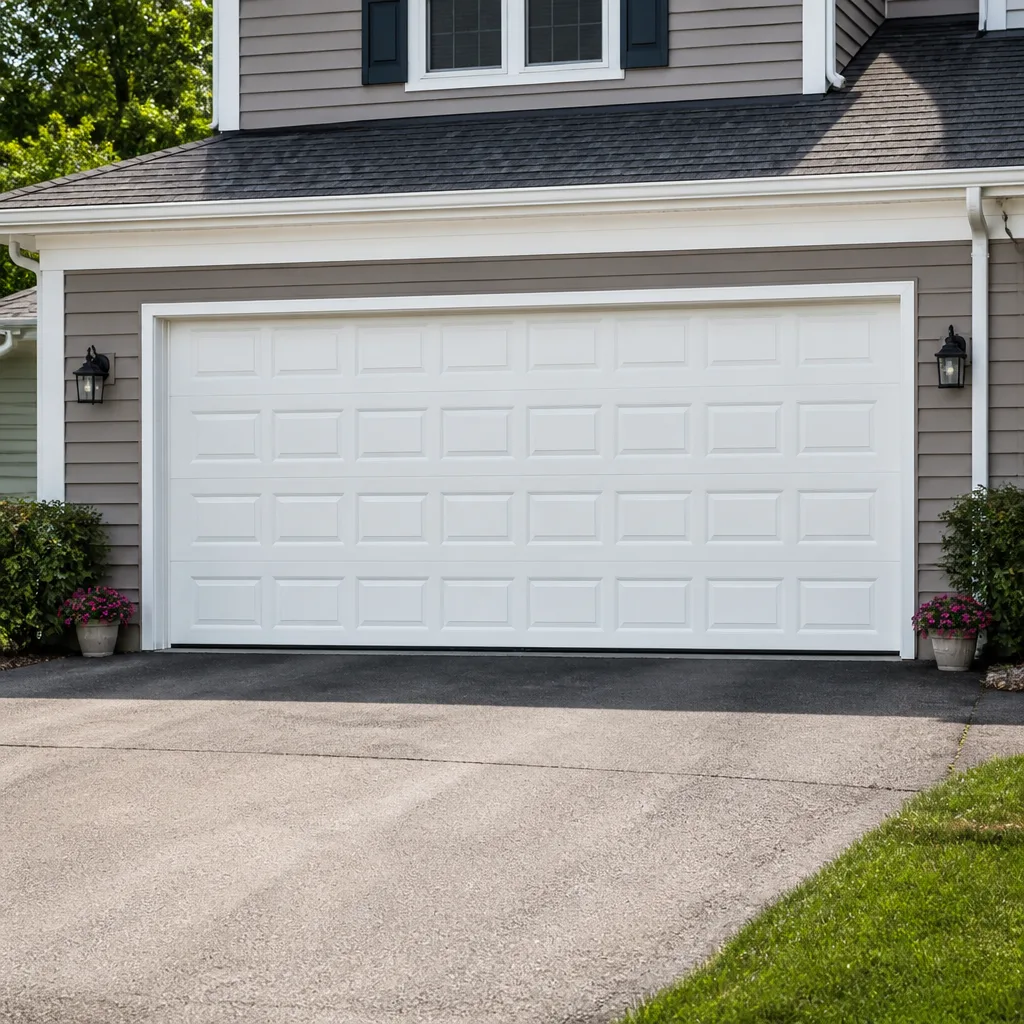 Raised-panel steel
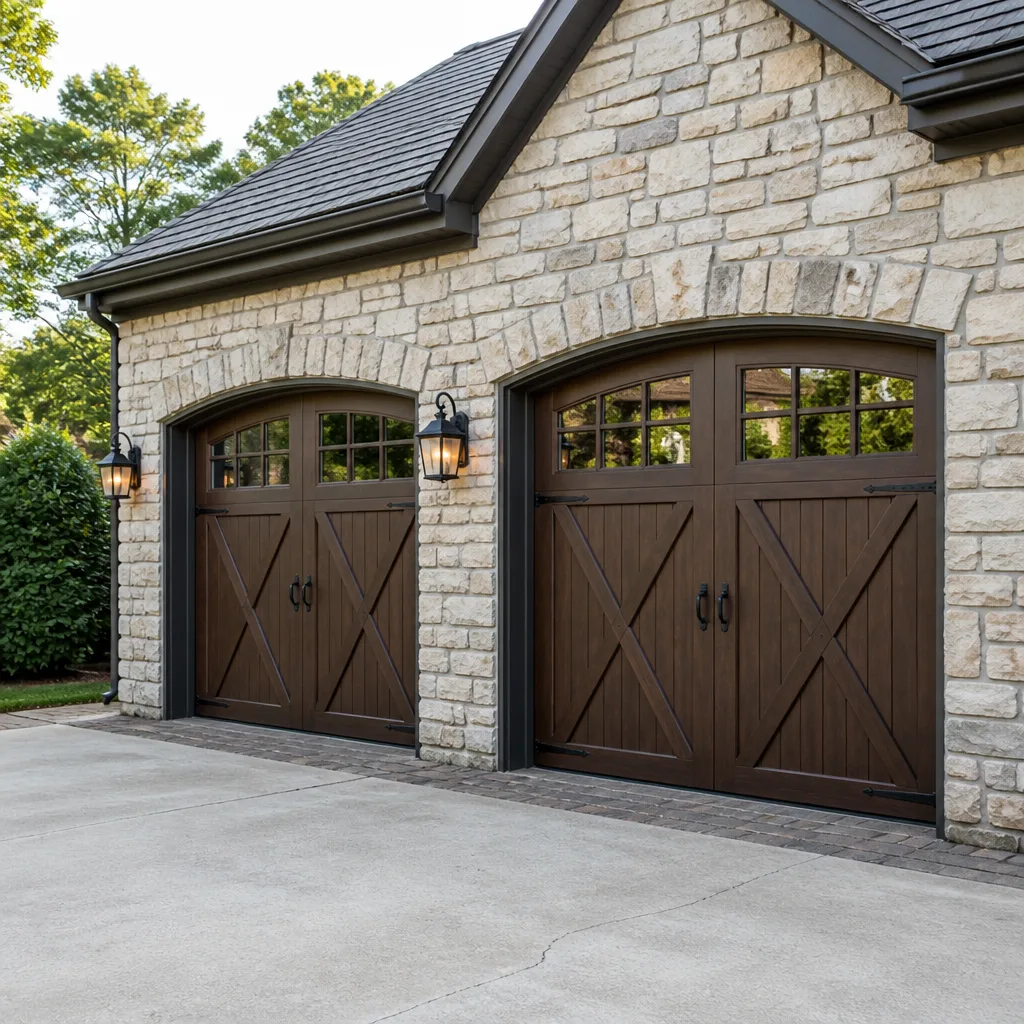 Carriage house
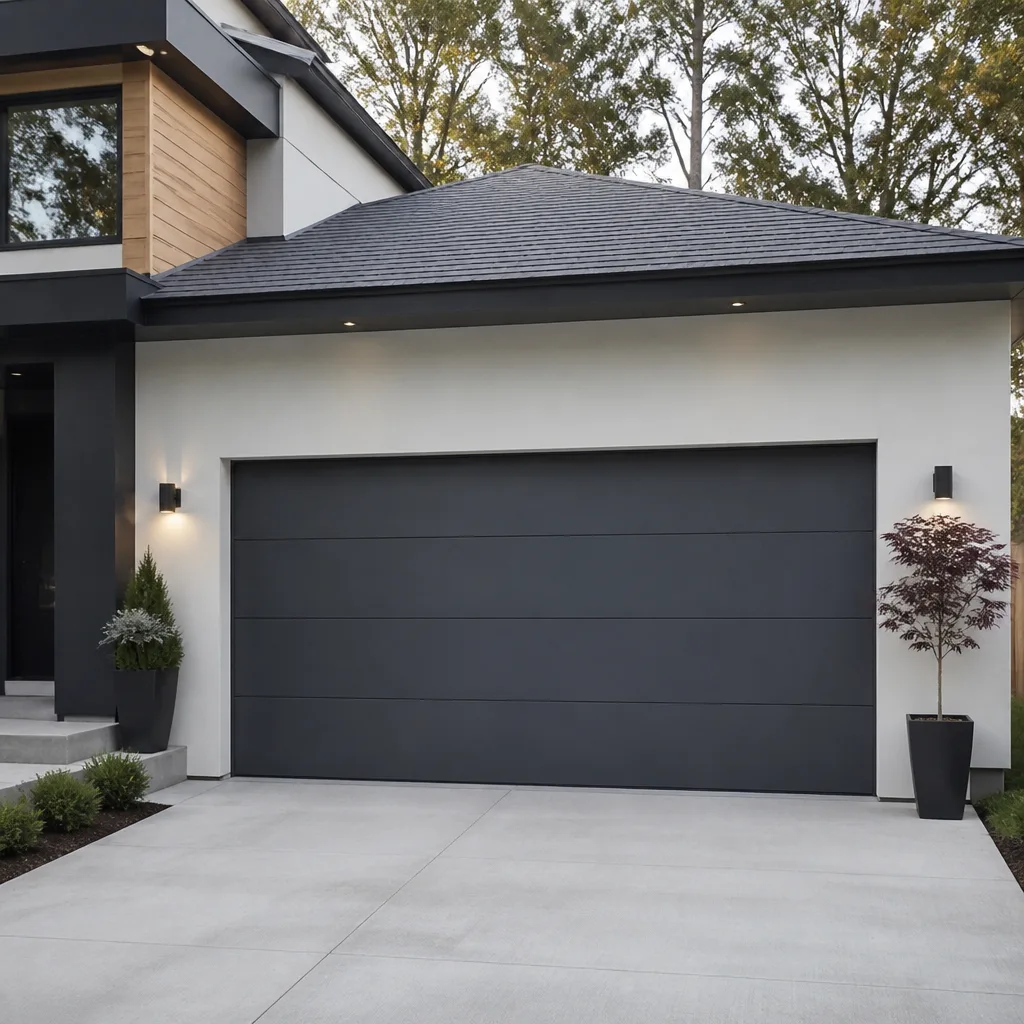 Modern flush
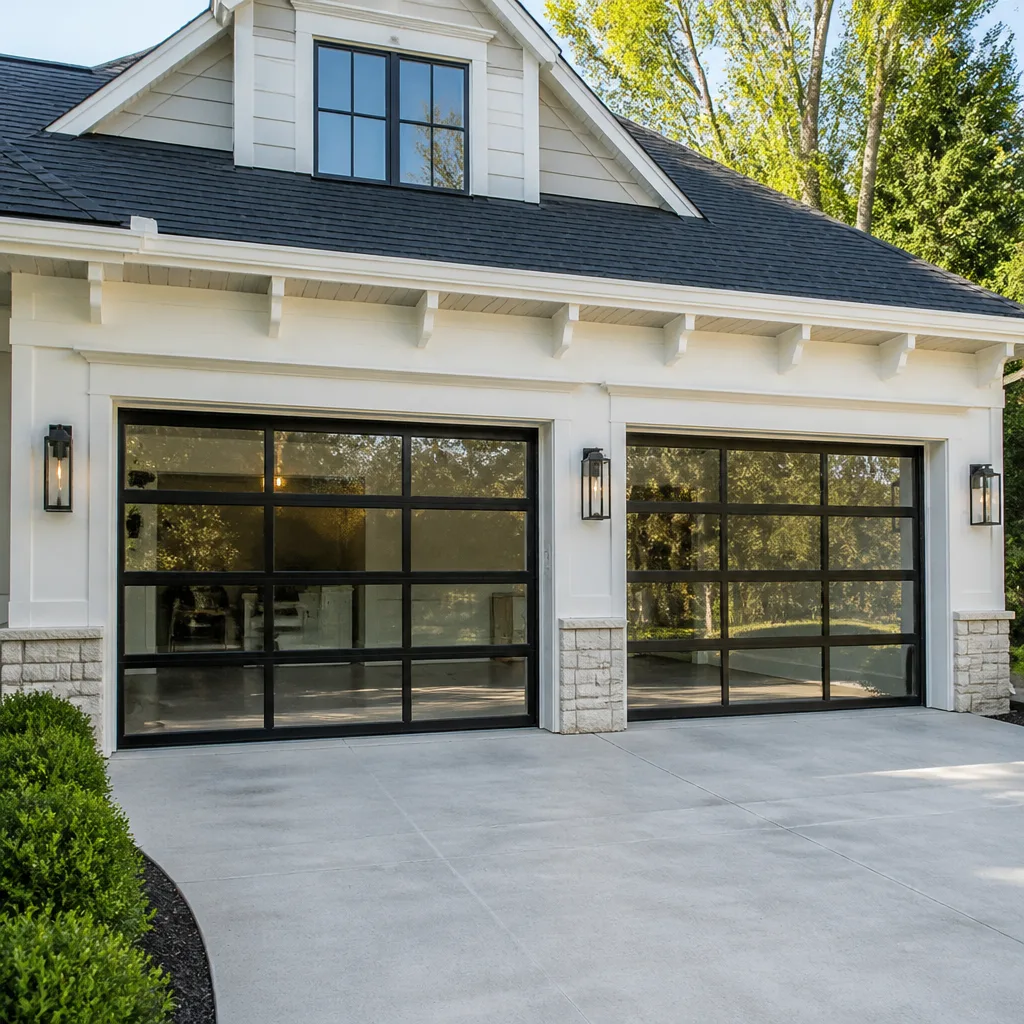 Full-view glass
 LiftMaster openers
 Chamberlain openers
Full 25-point door and opener safety check with every visit - springs, cables, rollers, tracks, and your LiftMaster or Chamberlain opener included
You get a price before we start. It does not change when the pro arrives.
Get your free estimateGarage Door Cost Breakdown: The Apple Valley Homeowner’s Reference for 2026
The complaint we hear most after a garage door service call isn’t about the bill. It’s about confusion. A homeowner gets a quote for a torsion spring replacement at $180, calls around, hears $420 from another company, and has no way to tell whether they’re being overcharged or quoted a better part. Here’s the thing: both numbers can be honest. Garage door pricing is driven by variables almost nobody explains, and that gap is where mistrust grows. This reference walks through the real cost drivers – spring type, panel count, opener horsepower, insulation level – so you understand what you’re paying for. We work on Apple Valley doors every week, and the questions are always the same.
Quick Answer
Garage door repair in Apple Valley typically runs $180 to $420 for a single spring replacement, $150 to $350 for cable and roller work, and $250 to $600 for opener repairs. A full new door install in Apple Valley lands between $900 and $3,800 depending on size, material and insulation, while an opener upgrade runs $350 to $800 installed. Every price is a written estimate you approve before work starts.
Styles & brands we work with
- Raised-panel steel
- Carriage house
- Modern flush
- Full-view glass
- LiftMaster openers
- Chamberlain openers
Table of Contents
- Why Garage Door Quotes Vary So Much
- Springs: Torsion vs. Extension and What They Cost
- Cables, Rollers and the Small Parts That Add Up
- Opener Cost by Drive Type in 2026
- New Door Cost Matrix: Size, Material and Insulation
- Labor Rates in the Apple Valley and Dakota County Market
- Repair or Replace? The Real Math
- Common Mistakes to Avoid
- When to Call a Professional
- Frequently Asked Questions
Why Garage Door Quotes Vary So Much
Two quotes for “garage door repair” can differ by a factor of nine because the words describe almost nothing. A snapped extension spring on a single-car door and a full replacement of a double-car door with two cracked panels are both “garage door repair.” Without knowing what’s actually being fixed, the number on the invoice looks arbitrary.
In our experience, four variables do most of the work:
- Part quality. A no-name spring rated for 10,000 cycles and a premium spring rated for 25,000 cycles aren’t the same product. The second one costs more and lasts roughly two and a half times as long. That’s a real tradeoff, not a markup.
- Door configuration. Single-car doors (8×7 or 9×7) use less material and lighter hardware than double-car doors (16×7 or 18×7). The same repair costs more on a bigger door.
- Opener complexity. A chain-drive opener from a decade ago has fewer failure points than a smart-home belt-drive with Wi-Fi, battery backup and a wall console. Diagnostics take longer. Parts cost more.
- Access and condition. A clean, accessible track system in a standard Apple Valley garage is a straightforward job. A door that’s been off its track for weeks, with bent panels and rusted hardware, needs more labor before the original problem can even be addressed.
The honest thing to ask any company is what specific part they’re installing, what it’s rated for, and how long the labor should take. If the answer is vague, the price probably is too. We work on LiftMaster, Clopay, Amarr, and Wayne Dalton systems regularly, which means we can usually tell from the model number what a given repair should involve before we arrive.
Springs: Torsion vs. Extension and What They Cost
Springs are the part that fails most often, and they’re also where the most confusion lives. Apple Valley homes have both torsion systems (one or two springs mounted horizontally above the door on a steel shaft) and extension systems (springs mounted along the horizontal tracks, stretching to provide tension). Knowing which you have tells you a lot about cost.
Torsion Springs
Torsion springs cost more per spring – typically $180 to $340 for a single spring replacement – but they last longer and cycle more smoothly. Most newer installations in Apple Valley (including Clopay and Amarr doors) use torsion systems. If you have a double door, you almost certainly have two torsion springs, and they should usually be replaced as a matched pair so they wear evenly. A pair of torsion springs typically runs $360 to $680, depending on spring size and cycle rating.
Extension Springs
Extension springs cost less per spring – roughly $90 to $180 each – because they’re simpler and easier to access. They wear faster and are more prone to dramatic failure if a safety cable isn’t present. Older Wayne Dalton and builder-grade doors on Apple Valley homes from earlier decades commonly use extension systems. If your extension spring breaks and the door drops, a safety cable is the difference between a nuisance and a serious hazard. Check that yours is intact.
Spring Pricing Table
- Single torsion spring replacement: $180 – $340
- Matched pair of torsion springs: $360 – $680
- Single extension spring replacement: $90 – $180
- Matched pair of extension springs: $180 – $360
- Safety cable install (per side): $40 – $80
One point we make with every homeowner: garage door spring repair is the single most dangerous job in this trade. Torsion springs are under hundreds of pounds of tension. The bolts holding them in place require specific tools and specific knowledge. We treat it as a specialized service, not a general handyman job, because a spring that releases while you’re working on it can cause serious injury. If you’re standing on a ladder with a wrench in your hand right now, put it down and call somebody.
Cables, Rollers and the Small Parts That Add Up
The big-ticket items get attention, but small components drive a surprising share of the total. A door with a broken cable and worn rollers might cost as much to bring back to safe operation as a door with a snapped spring.
Cable Sets
Lift cables are what connect the door to the spring system, and they’re under constant tension. A single cable replacement typically runs $60 to $120 per side, or $120 to $220 for a matched set. Cables should be replaced in pairs – a new cable paired with a worn one will wear faster and can stretch unevenly. When we’re on a spring call, we look at the cables and flag fraying, kinks, or visible damage before it becomes a door-drop situation.
Rollers
Rollers seem minor. They aren’t, because they determine how smoothly the door rides and how much stress the opener and springs carry. Cost depends on material:
- Plastic rollers: $3 – $6 each. Quieter at first, wear quickly, common in builder-grade installs.
- Steel rollers: $5 – $9 each. Durable, but noisy and prone to rust in the humidity swings Apple Valley gets between seasons.
- Nylon rollers with sealed bearings: $8 – $15 each. Quiet, long-lasting, our default recommendation for most homes.
A door has 10 to 12 rollers. Replacing them all typically runs $100 to $180 in parts and labor.
Other Small Parts
- Hinges: $4 – $12 each, depending on gauge and position on the door.
- Bottom seal: $40 – $120 installed, depending on door width and seal type.
- Weather seal (sides and top): $60 – $150 installed.
- Track section replacement: $80 – $200 depending on length and side.
- Panel replacement: $180 – $500 per panel, depending on manufacturer and profile. Clopay and Amarr panels are widely available; Wayne Dalton panels on older models can be harder to source.
When we quote a repair, we list every part being replaced and its price. If we’re on the fence about a roller or a hinge, we tell you and let you decide. Replacing a slightly worn roller is cheaper than replacing it later along with the hardware it wore out.
Opener Cost by Drive Type in 2026
Opener replacement is where the biggest sticker shock lives, partly because the market has shifted significantly toward smart-home-compatible belt-drive and jackshaft units in the last few years. Here’s how the three main drive types compare on cost and where each makes sense.
Chain Drive
Chain drive is the most affordable option at roughly $350 to $550 installed. Louder, but durable and straightforward to repair. Common on older Apple Valley homes, often paired with Craftsman or Genie units. A chain-drive opener is a reasonable choice for a detached garage or a home where noise isn’t a concern.
Belt Drive
Belt drive is the current standard for attached garages because the belt makes it substantially quieter. Installed cost runs $450 to $750, depending on horsepower (a 3/4 HP unit costs more than 1/2 HP) and features like built-in Wi-Fi, battery backup, and LED lighting. LiftMaster and Chamberlain belt-drive units are the models we install most often.
Jackshaft (Wall-Mount)
Jackshaft openers mount on the side wall next to the torsion bar rather than hanging from the ceiling, which frees up overhead space for storage or high-lift door configurations. Installed cost is typically $650 to $1,100. They require a torsion spring setup, which many Apple Valley homes already have, and they’re a good fit for garages with limited ceiling height or where high-lift tracks are needed.
Opener Comparison
- Chain drive: $350 – $550 installed. Loudest, cheapest, durable.
- Belt drive: $450 – $750 installed. Quieter, most common, best all-around value.
- Jackshaft: $650 – $1,100 installed. Side-mount, frees ceiling space, requires torsion system.
If your existing opener is failing, garage door opener repair is often cheaper than replacement. A bad logic board, a stripped gear, or a misaligned safety sensor is a repair, not a replacement case. We diagnose before we recommend. We work on LiftMaster, Chamberlain, Genie, and Craftsman systems, so the right part is usually available and the fix doesn’t require guesswork.
New Door Cost Matrix: Size, Material and Insulation
A full door replacement is the largest expense in the garage door category, and pricing hinges on three things: size, material and insulation level. Here’s the matrix we use most often when quoting Apple Valley homes.
By Size
- 8×7 (single-car): The smallest common size. Lower material cost and labor time.
- 9×7 (single-car): Most common single-car size in Apple Valley. Slightly higher material cost.
- 16×7 (double-car): The most common double-car size. Roughly 1.8x the material of a 9×7.
- 18×7 (double-car): Wider double-car, more material, more track, sometimes a heavier spring setup.
By Material
- Steel (24-gauge): The most affordable option, common on Amarr and Clopay entry lines. Dents but doesn’t rust if kept painted.
- Steel (25-gauge): Thinner, lighter, usually a builder option. Cheaper but less durable against impacts.
- Aluminum: Full-view or glass-panel designs. Corrosion-resistant, popular for modern curb appeal.
- Wood: Custom-built, higher maintenance, longer lifespan if sealed. Most expensive material category.
By Insulation Level
- Non-insulated: Basic steel sandwich or single-skin. Cheapest but transmits cold, condenses moisture in winter, and is loud.
- R-6: Entry-level insulated. Noticeably quieter than non-insulated.
- R-13: Mid-range insulated, common on Clopay and Amarr options. Good balance of cost and temperature performance.
- R-18: High-insulation, often paired with polyurethane core. Best for garages attached to the living space.
In Apple Valley, the temperature swings between seasons make insulation worth paying for. An insulated door helps the garage stay closer to household temperature, which matters most if you’re using the space for storage, a workshop, or the third stall as a mudroom.
Installed Price Matrix
- 8×7 steel, non-insulated: $900 – $1,400
- 9×7 steel, R-6: $1,100 – $1,700
- 9×7 steel, R-13: $1,400 – $2,100
- 16×7 steel, R-6: $1,800 – $2,500
- 16×7 steel, R-13: $2,200 – $3,000
- 16×7 steel, R-18: $2,600 – $3,600
- 18×7 steel, R-13: $2,500 – $3,400
- 8×7 aluminum full-view: $2,200 – $3,200
- 16×7 wood custom: $3,000 – $5,000+
These are installed prices with new track, springs and hardware. Opener is separate unless bundled into the quote. We measure the opening before any door is ordered. Confirm the numbers with your written estimate, since the final price is set there.
Labor Rates in the Apple Valley and Dakota County Market
Labor pricing in the Apple Valley market in 2026 sits in a mid-range band compared to the wider Twin Cities metro. It’s not the cheapest, and it isn’t the most expensive. Here’s a rough shape of what drives the labor line on a quote.
- Standard hourly labor context: $75 – $130 per hour in the Dakota County area. Varies by company overhead and technician experience.
- Flat-rate jobs: Most companies quote garage door work as flat rates, not hourly, because the time to change a spring or a set of rollers is predictable. Flat rates are generally better for homeowners – the price doesn’t change if the job takes an extra 20 minutes.
- After-hours pricing: A door that won’t close at night, or won’t open before the morning commute, is a real problem. Same-day emergency calls that fall outside normal scheduling cost more because of the logistics of response, not because somebody’s inflating the price. It’s structurally different: the tech has to be dispatched, the drive happens, and the schedule has to bend. We offer emergency service for exactly those situations where waiting isn’t realistic.
What Changes The Labor Line
- Door condition. A well-maintained door takes standard time. A door that’s been off its track for weeks takes extra labor before the original issue even gets addressed.
- Access. Low-clearance garages or tight stalls require slower, more careful work.
- Parts availability. On LiftMaster, Chamberlain, Genie, Clopay, Amarr, Wayne Dalton, Craftsman and Raynor, parts are easy to source. On rare or discontinued models, sourcing takes longer and costs more.
- Complexity of the diagnosis. A door that “won’t open” can be a broken spring, a dead opener logic board, a misaligned sensor, or a power issue. The first step is diagnosing correctly, not guessing.
Ask on any quote whether the pricing is flat-rate or hourly. Flat-rate answers the “what will this actually cost” question before the job starts.
Repair or Replace? The Real Math
This is the decision that causes the most hesitation, and it deserves a straight answer. The rule of thumb most technicians use: if the cost to repair is more than half the cost of a new door, and the door is older or on its second or third major repair, replacement usually wins. But the math is more nuanced than that.
The Worked Example
Consider a 16×7 steel door with two cracked panels, a broken torsion spring, and worn rollers:
- Two replacement panels: $360 – $1,000, depending on profile availability.
- Matched pair of torsion springs: $360 – $680.
- Full roller upgrade: $100 – $180.
- Total: $820 – $1,860.
A comparable new 16×7 steel R-6 door installed runs $1,800 to $2,500. Once you’re at $1,500+ in repairs on a door that’s already had service, replacement starts to make more sense – you get a new door, new springs, new track, new rollers, and a warranty on the whole assembly rather than a patchwork.
Repair Still Makes Sense When
- The door is structurally sound and only one component has failed.
- The hardware (track, hinges, panels) is in good condition.
- The door is a premium model worth keeping, such as a Clopay or Amarr door with a good finish and matching style.
- The repair cost is under 40% of a replacement.
Replace Makes Sense When
- Multiple panels are damaged.
- The springs, cables and opener all need work at the same time.
- The door is older and doesn’t match the home’s insulation needs.
- You’re improving curb appeal or upgrading to an insulated door for a workshop or mudroom conversion.
We quote repair and replacement on the same call for this reason. Homeowners should see both numbers side by side before deciding.
Common Mistakes to Avoid
- Comparing spring quotes without checking cycle rating. A $180 spring rated for 10,000 cycles and a $300 spring rated for 25,000 cycles are not the same product. Ask for the rating, not just the price.
- Replacing one of a pair when both are the same age. If one torsion spring in a matched pair has snapped, the other is usually a few hundred cycles from failing too. Replacing both once is cheaper than two separate service calls.
- Choosing a cheap insulated door without checking the R-value. Two doors that look identical from the street can differ by a factor of three in insulation, which matters in Apple Valley’s winter cold.
- Hiring a general handyman for spring or cable work. Springs are under extreme tension. The tools and technique required are specific to garage doors. A generalist can get hurt, and so can the door.
- Ignoring a frayed cable because the door still works. Cables fail completely when they fail. A visible kink or fray is the warning, not the symptom.
- Installing a heavy insulated door on an old opener. The opener gets installed and immediately struggles. If you’re upgrading the door’s weight, upgrade the opener spring setup and consider a fresh opener if yours is past its life.
- Bundling a big quote without a written breakdown. Ask for each line item in writing: parts, labor, taxes. If a company won’t provide that, that’s information.
When to Call a Professional
Most garage door issues look minor until they aren’t. Call a professional when a spring is visibly broken or stretched, when a cable has snapped or frayed, when the door comes down crooked or unevenly, when the door is stuck open or closed, and when the opener reverses for no obvious reason. Those are safety and security situations, not convenience issues.
It’s also worth a call when you’re planning something bigger – a new door, an opener upgrade, a panel replacement – because the decision about what to fix versus replace is easier when you have real numbers in front of you. Apple Valley Garage Door Repair Pros offers free estimates in Apple Valley – call (844) 914-3733. We work on LiftMaster, Chamberlain, Genie, Clopay, Amarr, Wayne Dalton, Craftsman and Raynor systems, and our technicians have up to 9 years of experience handling the repair-or-replace conversation honestly. If a repair is the right answer, that’s the answer we give. If replacement is, we’ll say so with the math.
For a door that’s actively broken and can’t wait, garage door repair handles emergency calls. Same-day service is available, and we work through diagnosis and pricing before any work starts.
Frequently Asked Questions
Garage door repair in Apple Valley typically runs $150 to $600 depending on the issue. Spring replacement is $180 to $340 for a single torsion spring or $90 to $180 for an extension spring, cable and roller work runs $100 to $350, and opener repairs run $250 to $600. The final price is set in your written estimate, agreed before any work starts. Call (844) 914-3733 for an exact quote – estimates are free.
Yes, same-day service is available for emergency situations like a door that won’t close, a snapped spring, or a cable failure. Call (844) 914-3733 and we’ll confirm timing based on the schedule. For non-urgent work like a new door install or opener replacement, we’ll schedule a time that works for you rather than pushing a same-day visit.
No. The price you approve on the written estimate is the price you pay. If we discover additional issues once we’re on site – a hidden cable failure, a damaged track section – we stop, explain what we found, and quote the additional work separately before proceeding. Nothing gets added to the bill without your approval. Call (844) 914-3733 to schedule an estimate.
The local professionals we connect you with are licensed and insured as their state requires. Our technicians have up to 9 years of experience working on LiftMaster, Chamberlain, Genie, Clopay, Amarr, Wayne Dalton, Craftsman and Raynor systems. Ask for credentials before scheduling – any reputable company will provide them. Call (844) 914-3733 for details.
Often yes, especially on a double-car door. A torsion conversion typically runs $400 to $750 installed, and it includes new springs, a shaft, drums and cables. Torsion systems last longer, run more smoothly, and are less prone to catastrophic failure than extension springs. The tradeoff is upfront cost. In a climate with significant seasonal temperature swings, the reduced maintenance over time generally favors the conversion.
Most Apple Valley homes with a single-car garage use a 9×7 door, and most double-car garages use a 16×7. The 8×7 and 18×7 sizes are less common but do exist, particularly on older or custom-built homes. When we quote a new door, we measure the actual opening before ordering – manufacturers build to the measurement, not to the nominal size on the label. Call (844) 914-3733 to schedule a free measurement.
The Bottom Line
Garage door pricing varies because the variables vary, and the honest fix is to know what those variables are. Springs differ in cycle rating, doors differ in insulation R-value, openers differ by drive type, and a repair quote is only meaningful when it names what’s being replaced. At the core, that’s what this breakdown is for – so you can look at two quotes and understand why they differ, rather than guessing which one is trying to upsell you. Our approach in Apple Valley is straightforward: diagnose first, quote flat-rate in writing, and give you the repair-or-replace math honestly. If you’re facing a garage door decision and want real numbers in front of you, we’re one call away.
Call Apple Valley Garage Door Repair Pros at (844) 914-3733 for a free estimate. Same-day service is available for emergencies, and every quote is written before any work begins. Explore more at Apple Valley Garage Door Repair Pros.
Written by the team at Apple Valley Garage Door Repair Pros.
See the difference
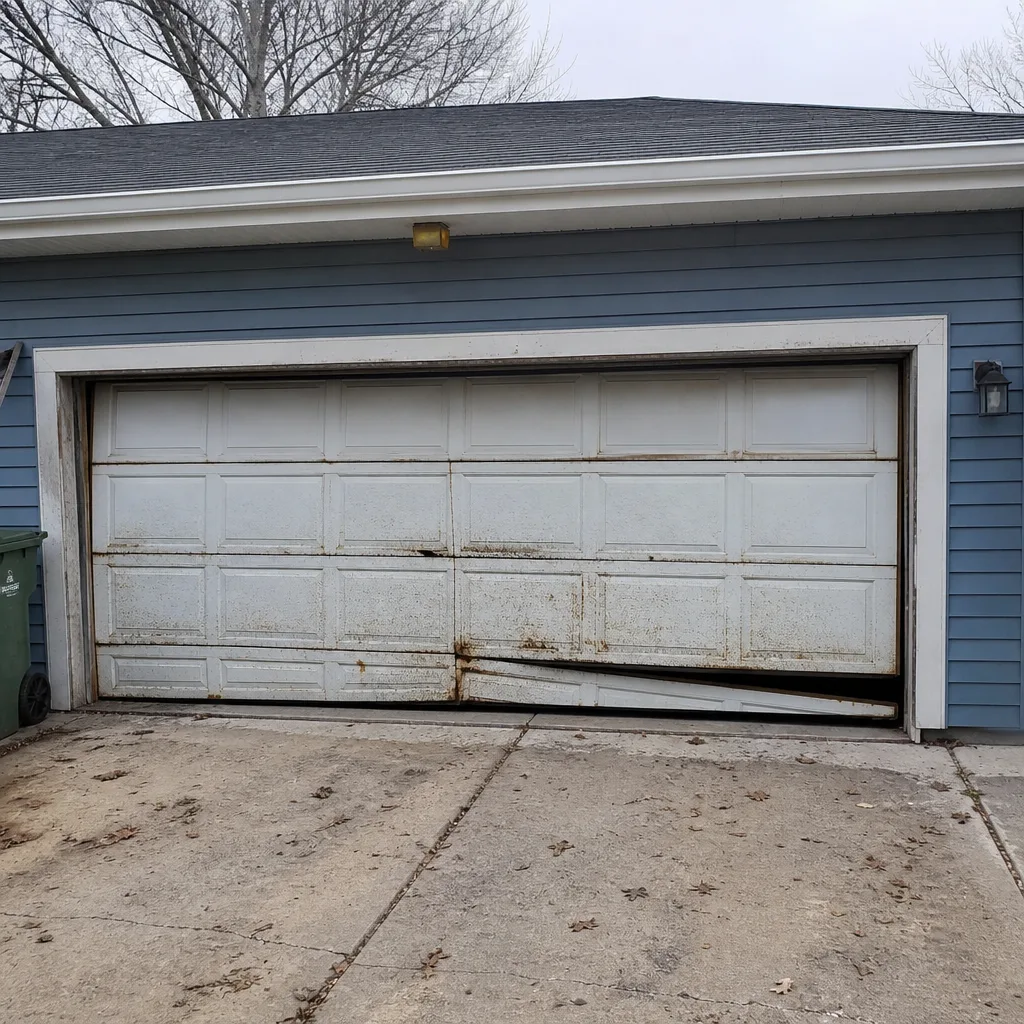 Before
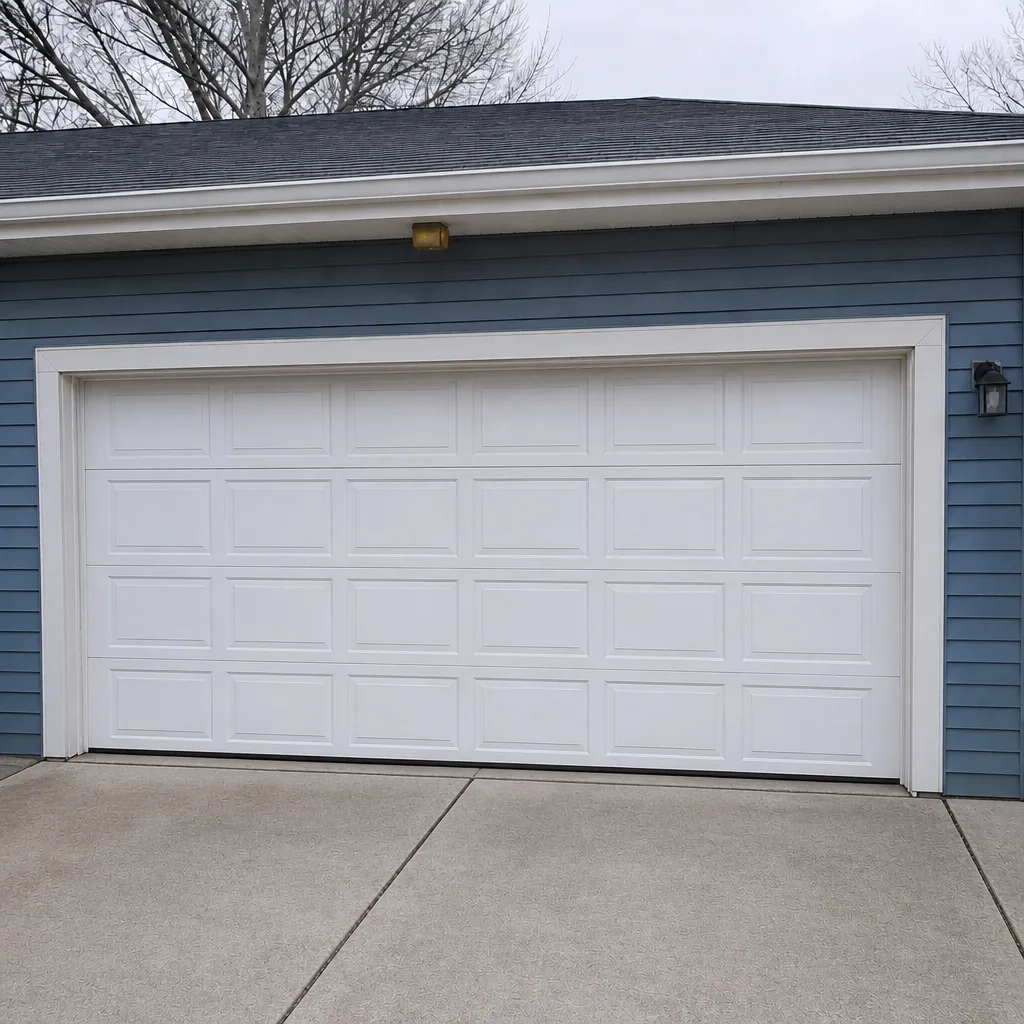 After
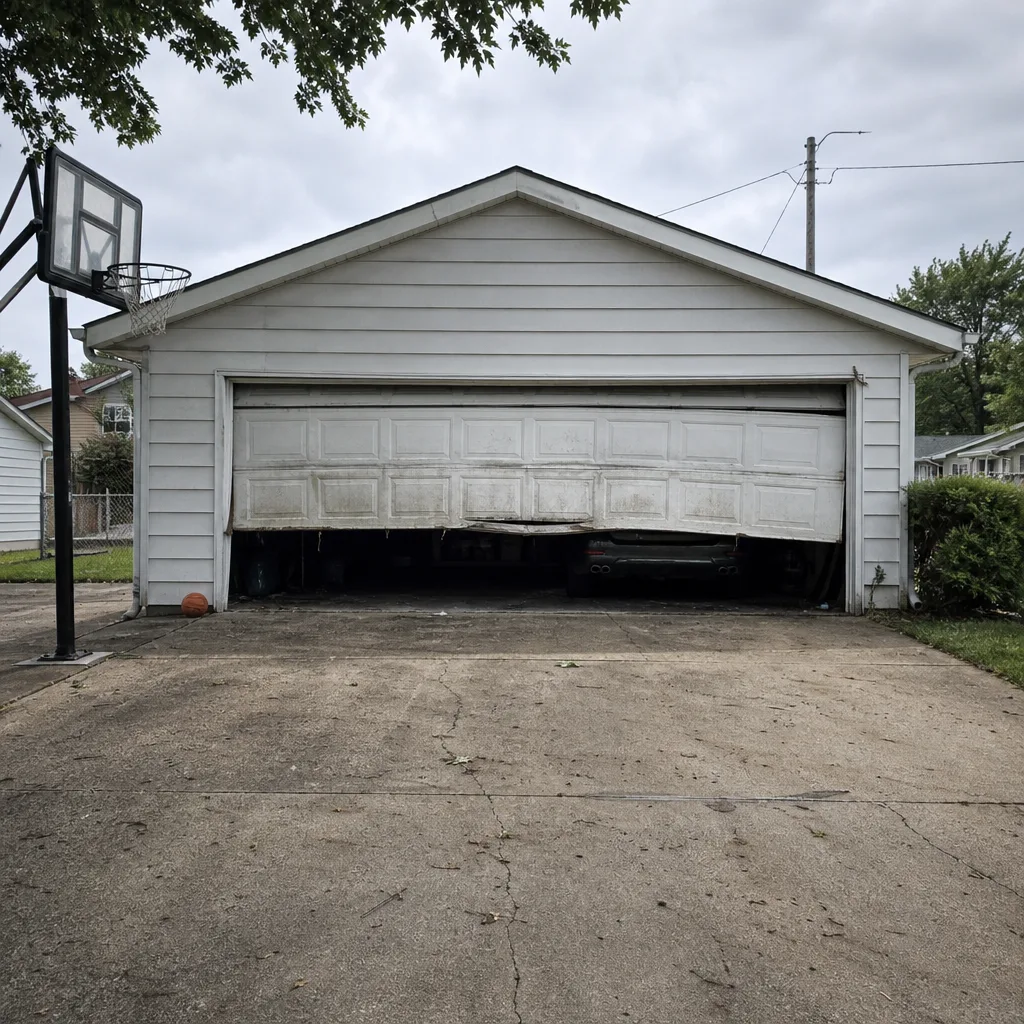 Before
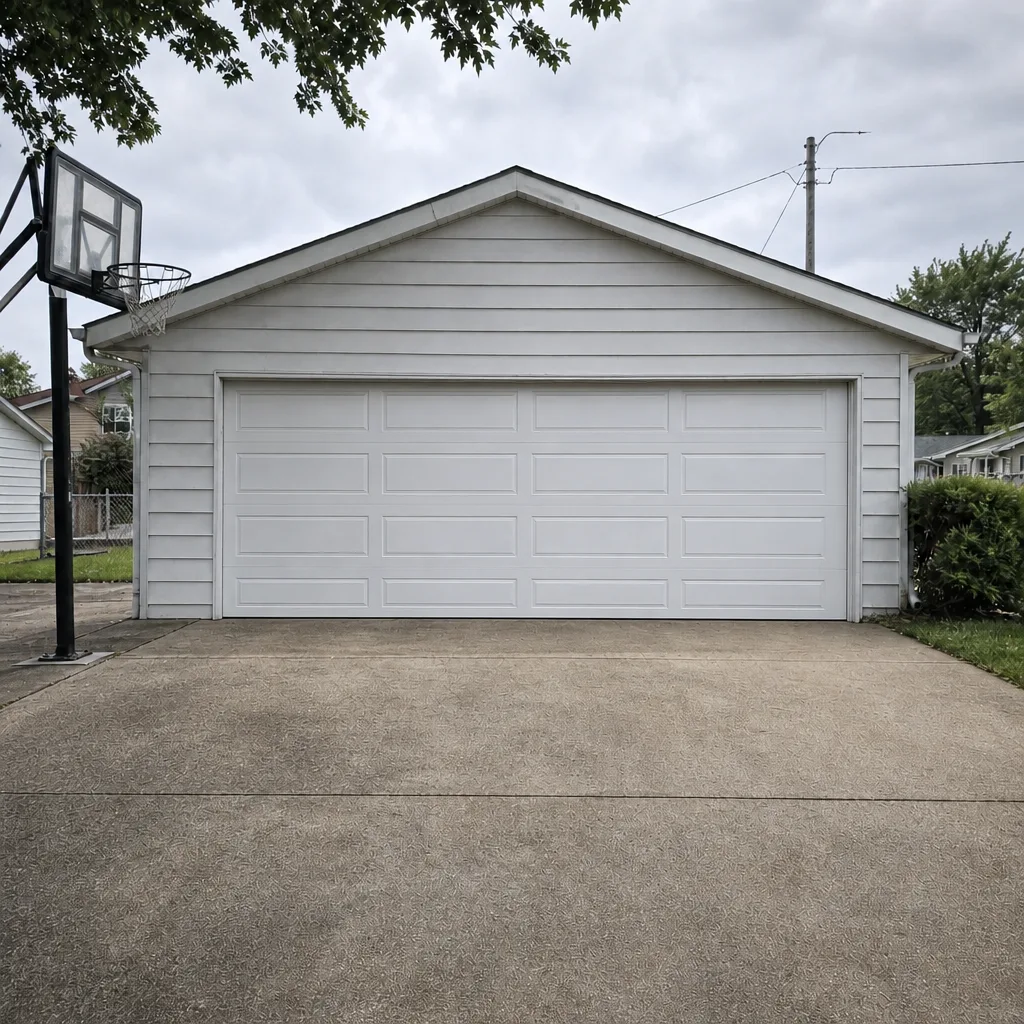 After
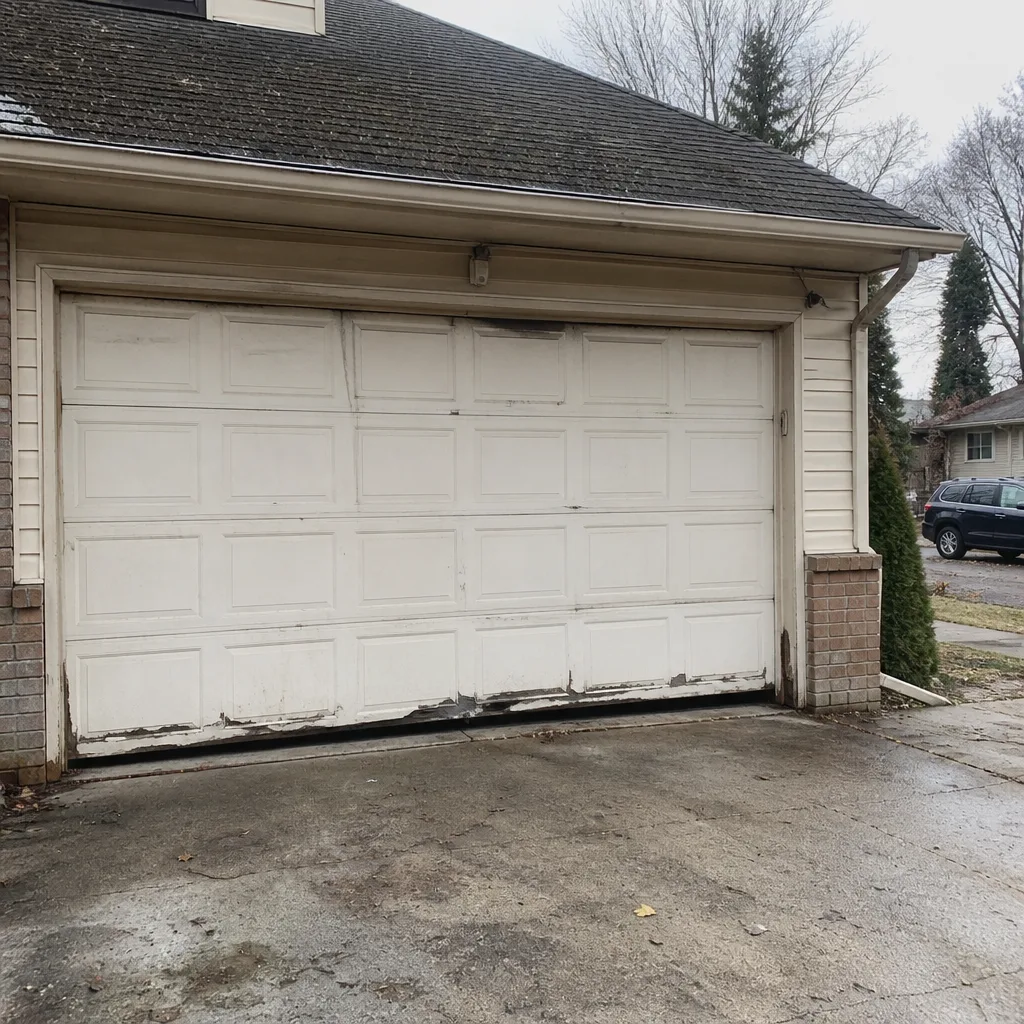 Before
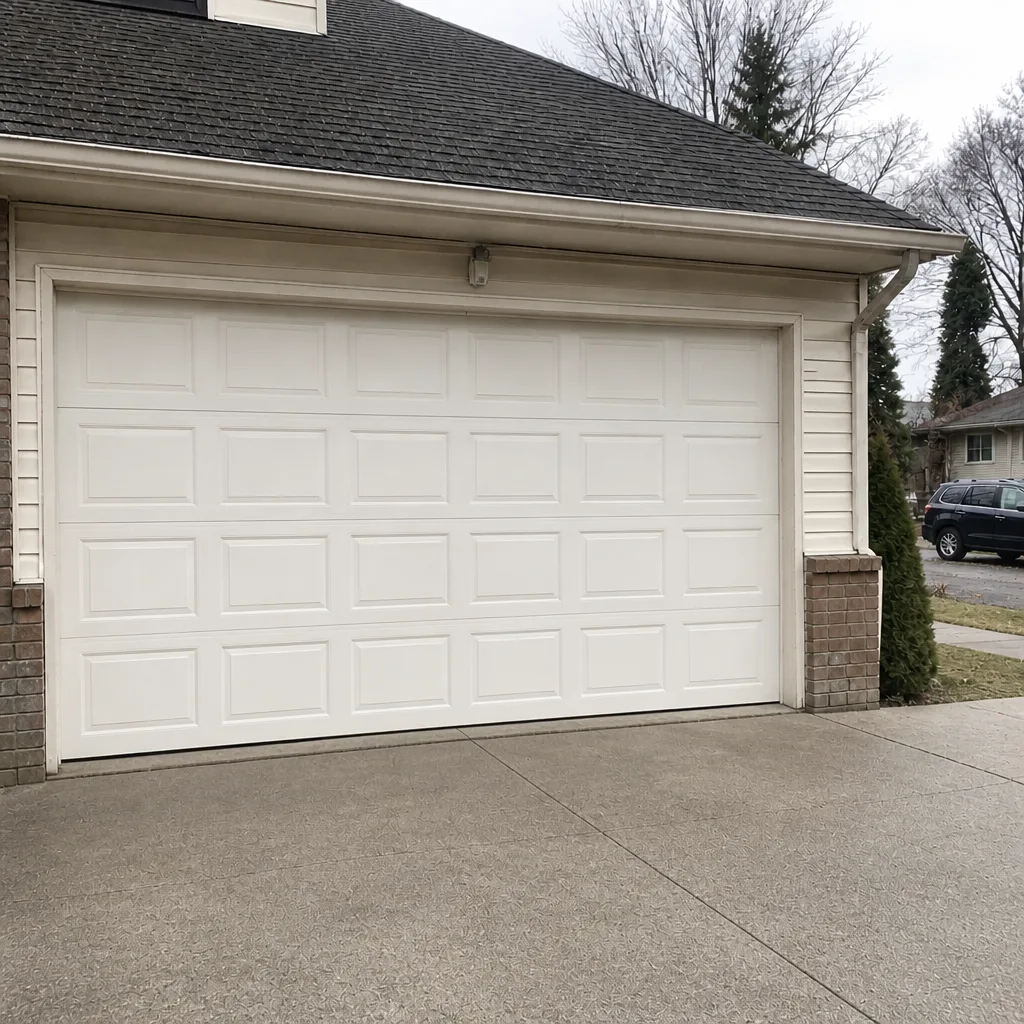 After