Last updated November 22, 2026
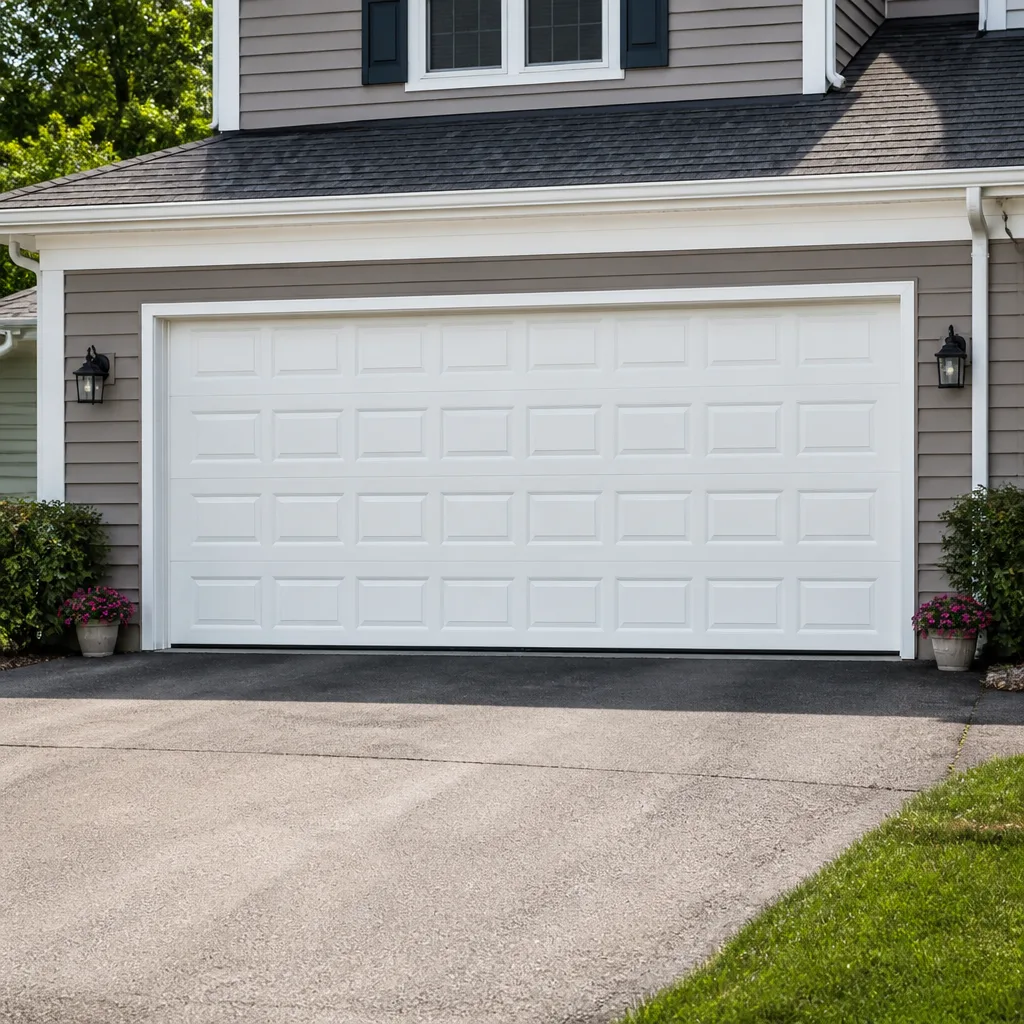 Raised-panel steel
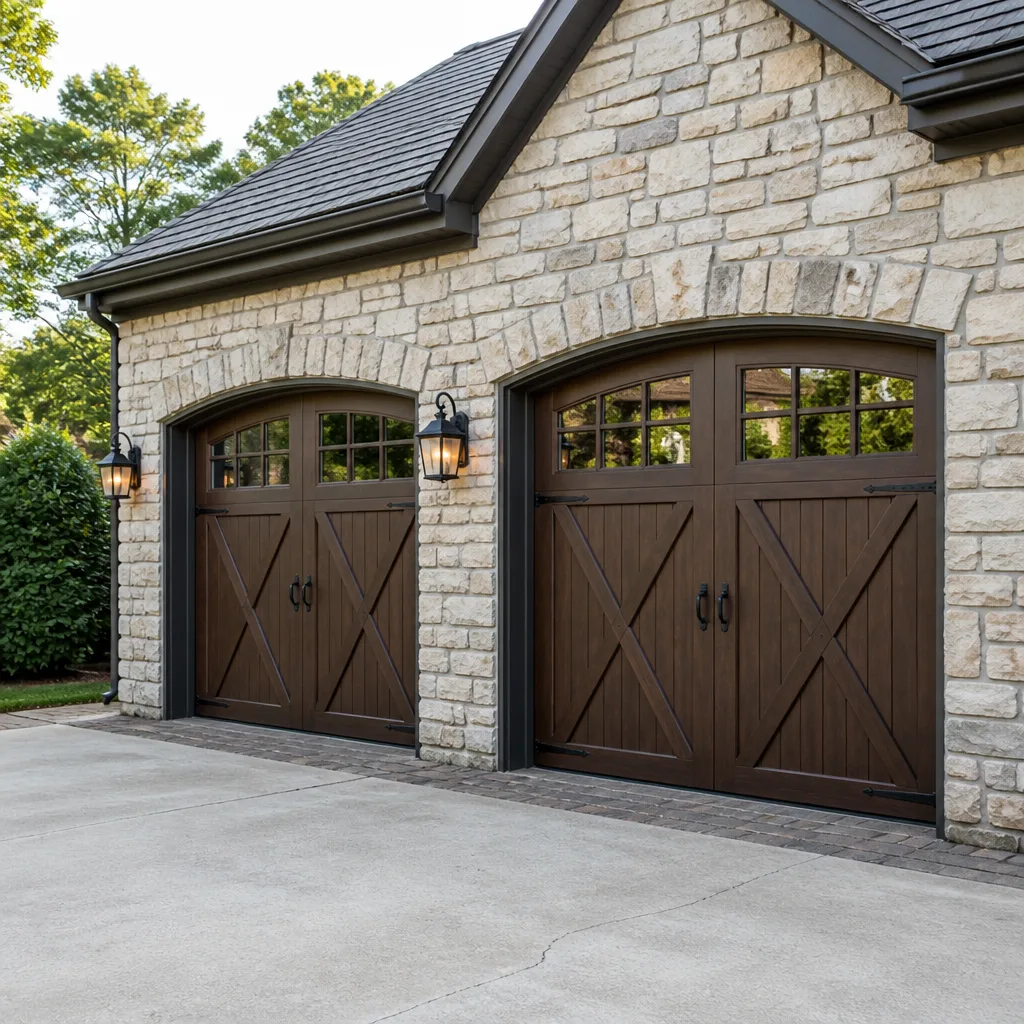 Carriage house
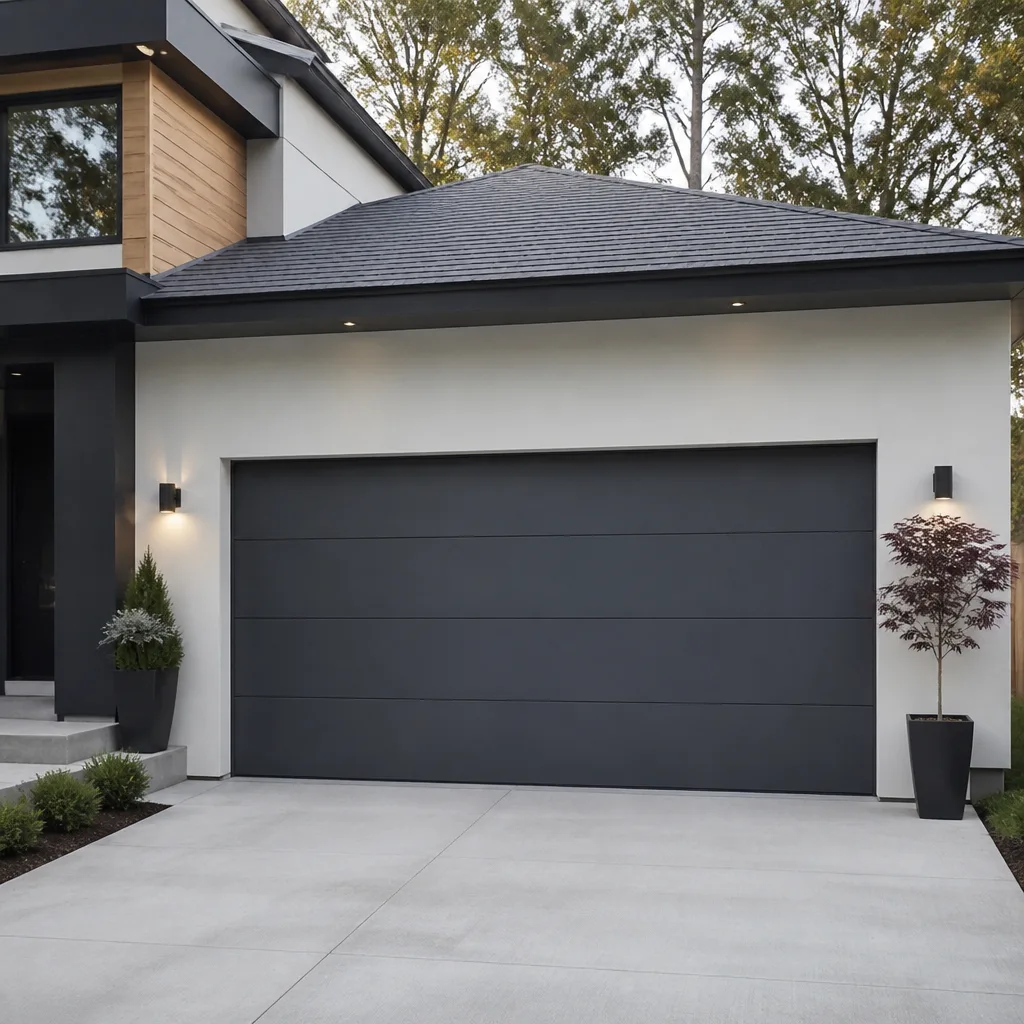 Modern flush
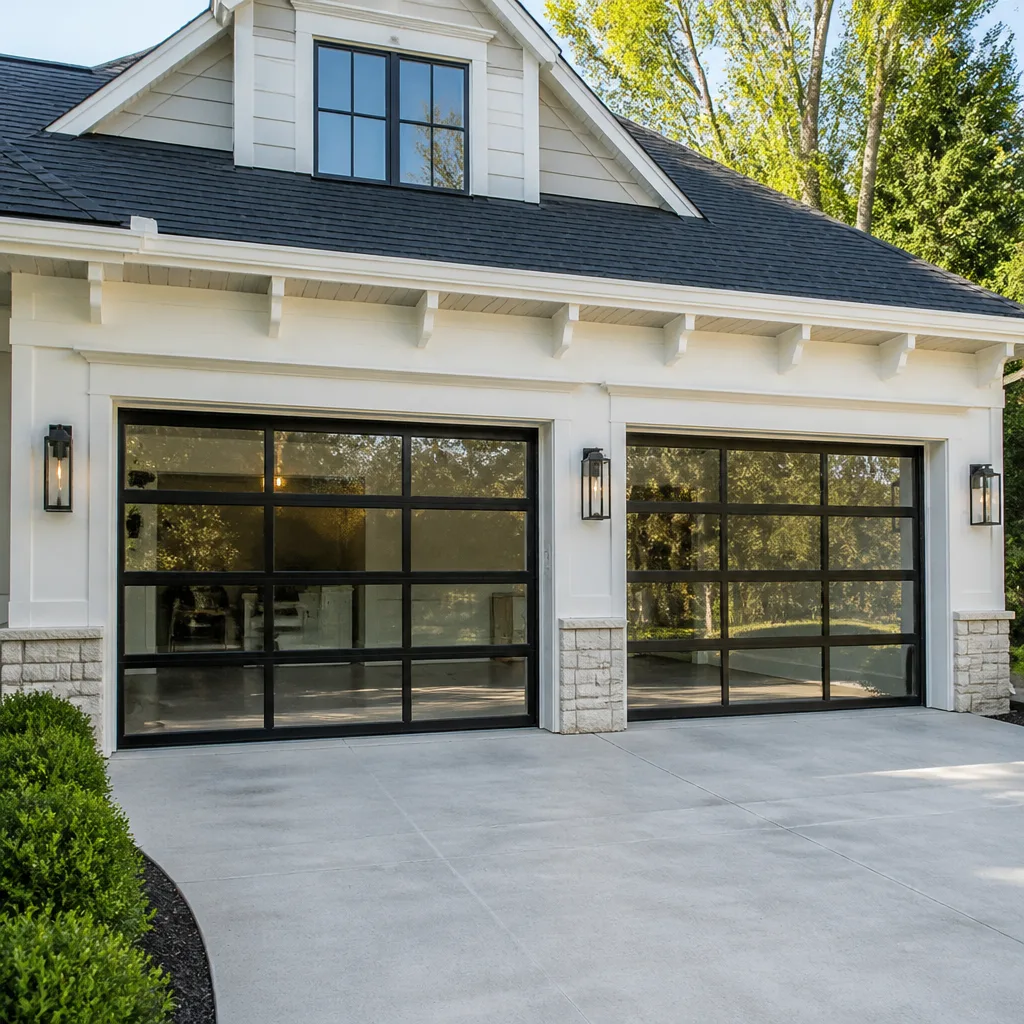 Full-view glass
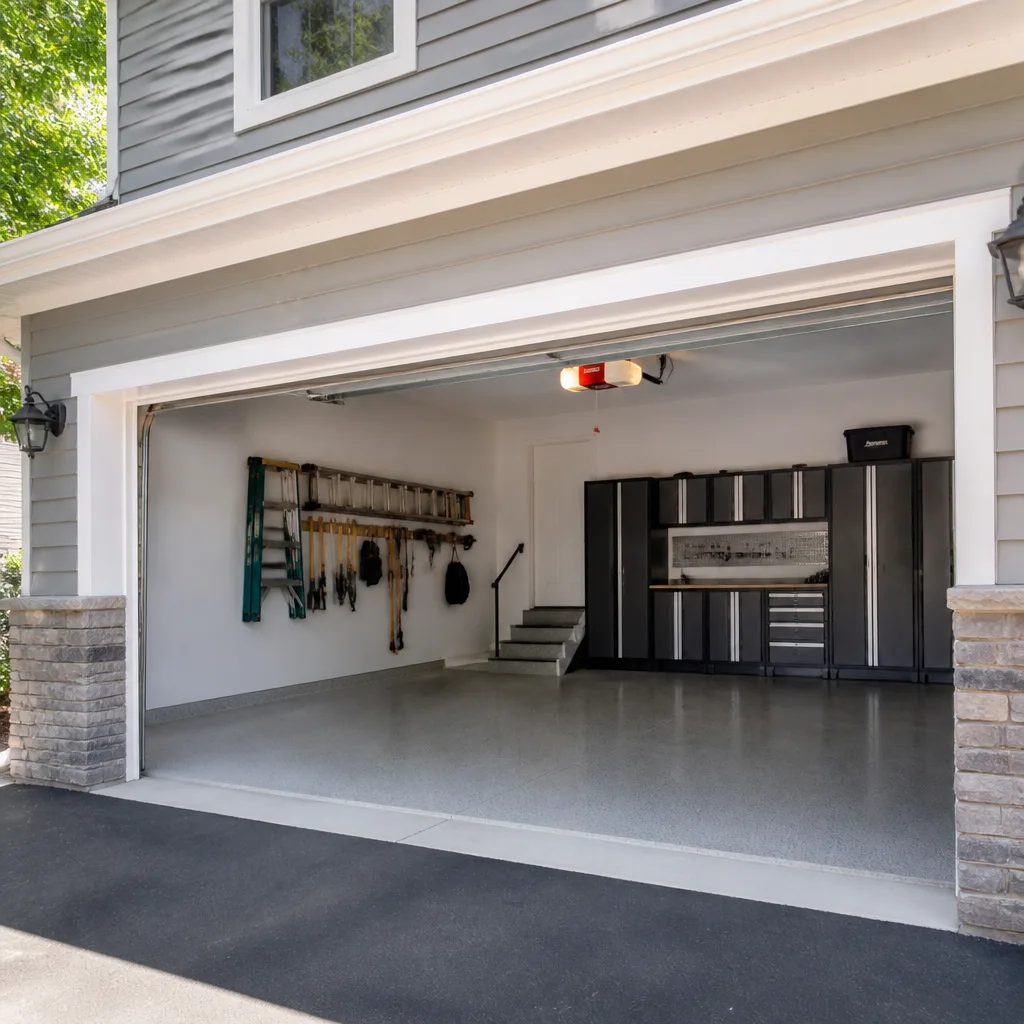 LiftMaster openers
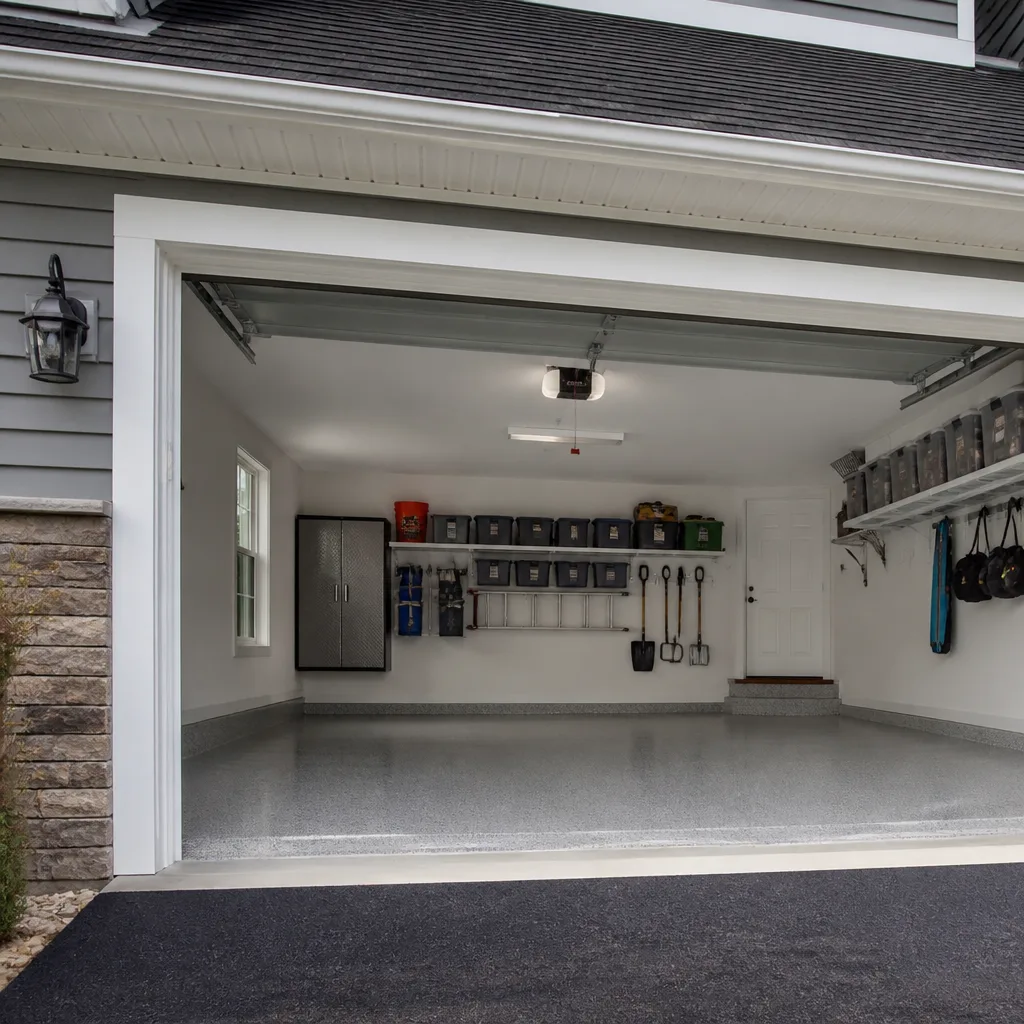 Chamberlain openers
Full 25-point door and opener safety check with every visit - springs, cables, rollers, tracks, and your LiftMaster or Chamberlain opener included
You get a price before we start. It does not change when the pro arrives.
Get your free estimateGarage Door Permits, Codes & Inspections in Apple Valley, MN: What You Need to Know
Here’s a fact that surprises a lot of Apple Valley homeowners: swapping out a garage door, even replacing the door and opener together, usually needs no permit at all. But the moment someone touches the structural framing around that opening, you’ve crossed into permit territory, and work done without one can surface later during a title search or a resale inspection. The line between “swap” and “structure” is where most confusion lives. This guide draws that line clearly. You’ll learn what Apple Valley’s building department actually cares about, which Minnesota code requirements apply no matter what, when a header replacement pulls in a structural review, and how to confirm your contractor pulled the right permits.
Quick Answer
In Apple Valley, replacing a garage door or opener on an existing opening typically does not require a building permit because it’s considered a like-for-like swap of a finish component, not structural work. Adding a new garage opening, widening an existing one, or replacing a load-bearing header does require a permit from the City of Apple Valley Building Inspections division. Separately, all attached-garage work must still satisfy Minnesota State Building Code Section R309 fire separation rules regardless of whether a permit is issued. When in doubt, call the city before you order materials.
Styles & brands we work with
- Raised-panel steel
- Carriage house
- Modern flush
- Full-view glass
- LiftMaster openers
- Chamberlain openers
Table of Contents
- Where Apple Valley Draws the Permit Line
- Minnesota State Building Code Section R309: The Rules That Always Apply
- When a Header Replacement Triggers a Structural Review
- Fire Separation Between Garage and Living Space
- How to Verify Your Contractor Pulled the Right Permits
- What an Inspection Actually Looks Like
- Why Permit Records Matter at Resale
- Apple Valley Climate and the Garage Door
Where Apple Valley Draws the Permit Line
The City of Apple Valley Building Inspections division handles residential permits for work in the city, and its threshold for garage door projects is straightforward once you understand it. A door swap on an existing opening doesn’t require a permit. The reasoning is that the opening’s dimensions and the framing surrounding it stay the same; you’re trading one door panel assembly and track system for another. A new opener install on an existing door falls into the same category.
What does require a permit:
- Adding a new garage opening where none existed before, which means cutting into a foundation wall or load-bearing exterior wall.
- Widening an existing single-bay opening to fit a double door. This is the most common trigger we see, and it usually involves replacing or modifying the header.
- Raising the height of an existing opening to fit a taller door, which also changes how the header sits and what load it carries.
- Replacing a header above the garage opening, even if the opening itself stays the same size.
- Adding electrical service for a new opener or new lighting inside the garage if a circuit needs to be added.
If your project falls into the top of that list, you’ll want to talk to the city’s building department before you order the door. The permit application process typically requires a drawing or description of the structural change. That means knowing what you’re asking for before the door arrives on a delivery truck. Contractors who regularly handle these projects know the process and can save you a frustrating back-and-forth.
For straightforward swaps, homeowners regularly ask us whether they need to file anything. They usually don’t. A garage door repair or full replacement on an existing Apple Valley opening is treated as a maintenance and finish upgrade rather than a structural change. If you’re replacing an old Wayne Dalton door with a newer model in the same opening size, no permit is typically involved. The same goes for a new LiftMaster opener going in where an older unit used to sit.
Minnesota State Building Code Section R309: The Rules That Always Apply
Minnesota adopts the International Residential Code with state amendments, and Section R309 of that code covers garages. The section governs fire separation, vehicle protection, and related requirements. The key phrase is “always applies”: R309 does not care whether your project triggered a permit. If your garage has an attached wall shared with living space, R309 requirements are in force regardless of permit status, and violating them during a repair is a bigger problem than skipping a permit.
The most commonly relevant R309 requirements for garage door work in Apple Valley:
- Fire separation of the shared wall. Section R309 requires separation between a private garage and a residence. When door framing or surrounding wall work disturbs that separation, the repair must restore it.
- Minimum thickness and material for the separation. Typical residential requirements call for a wall assembly with a specific fire-resistance rating; the exact assembly depends on the home’s construction type, so ask your inspector rather than assume.
- Penetrations. Doors, windows, and openings in the separation wall have their own requirements for being fire-rated, self-closing, or otherwise protected.
- Floor slope and drainage. R309 also addresses helping spilled fuel drain out of the garage rather than into the home; garage floors slope toward the door.
- Vehicle protection. Appliances and equipment in the garage need protection from vehicle impact under certain conditions.
What this means in practical terms: if you’re replacing a garage door and the technician has to modify the surrounding framing or drywall to install the new track, that’s where R309 enters the conversation. The fire separation has to stay intact or get restored. It’s a detail that separates a specialist from a generalist. Our technicians have up to 9 years of experience and understand which installations cross that line before it becomes a problem.
The Minnesota Department of Labor and Industry and the City of Apple Valley both enforce the state code, so if your project triggers a permit, the inspector will check R309 compliance as part of the inspection. Restoring fire separation on the shared wall is usually part of the approved plan for any structural change.
When a Header Replacement Triggers a Structural Review
The header above your garage door carries the weight of everything above the opening. Wall, roof load, whatever sits there. When you widen a single opening into a double, or when the existing header is undersized, rotted, or has to be replaced to accommodate a different door size, the structural picture changes. In Apple Valley, that means you’re now in the territory where a permit plus an engineered design is typically required.
Here’s how the sequence usually goes when a header is involved:
- Determine whether the wall is load-bearing. Garage front walls almost always are for attached garages, because the wall supports the roof structure above. Detached garages vary.
- Engage a structural engineer if required. A licensed structural engineer reviews the span, calculates the load, and specifies the new header size and material. Apple Valley’s building department typically wants a stamped design for any header change on a load-bearing wall.
- Submit the permit application. The application includes the engineer’s drawings, the proposed door specs, and the site address. The city reviews and issues the permit.
- Complete the structural work. Remove the old header, install the new one per the engineer’s design, tie in the framing on either side.
- Schedule the inspection. The city inspects the structural work before the new door goes up, and often again after door installation to verify everything’s sealed and functional.
- Close out the permit. The city records the inspection as passed and the permit is closed.
In our experience, homeowners often discover the header requirement mid-project. They’ve ordered a wider door, the installer starts the demo, and suddenly a structural review is needed before the new door can be hung. Now the door sits in the driveway waiting. That’s why we tell Apple Valley homeowners to have a conversation with the building department before placing a custom door order on any project that changes opening dimensions. It’s a much smoother path if the engineering and permits come first.
If you’re considering a replacement door in an existing opening, the header question usually doesn’t come up. In that case, a garage door repair or replacement can move forward without the structural review. When we quote a swap, we always ask about the opening specs first, because the answer tells us whether the project is a simple replacement or has permit implications.
Fire Separation Between Garage and Living Space
The wall between your attached garage and your living space is a code-mandated safety feature, and it’s the single most commonly disturbed part of the building envelope during garage door work. Section R309 requires the separation to protect the home from a fire that starts in the garage, where vehicles, fuel, and stored chemicals make fires more likely and faster to spread. When it’s compromised, the home loses that protection, and inspectors treat it accordingly.
Where fire separation typically gets disturbed during garage door work in Apple Valley:
- Removing the existing door frame. If the rough opening has to be modified to fit a new door, the wall assembly around the opening gets exposed.
- Replacing drywall around the door. Damaged or removed drywall on the garage-to-house wall must be replaced with a code-compliant assembly.
- Running wiring for a new opener. Any penetration through the separation wall needs to be sealed or protected per code.
- Modifying the door threshold or sill. The threshold detail at the garage floor often includes specific weatherstripping or fire-blocking elements.
- Adding a pedestrian door between house and garage, which has its own code requirements for fire rating and self-closing.
These details are why we treat projects differently depending on what’s actually happening. A Craftsman opener swap takes an hour. A structural modification that exposes the separation wall is a different conversation. In our experience, most Apple Valley homes have a drywall and taped assembly that meets the original code requirement, and as long as the repair restores the same assembly, the separation is intact. When we see something that was previously modified without a permit, we flag it so the homeowner can decide how to handle it before inspection.
How to Verify Your Contractor Pulled the Right Permits
Here’s a hard truth about permits: the contractor pulls them, but the homeowner is ultimately responsible for the property. If work requiring a permit gets done without one and it surfaces at resale or during an insurance claim, the homeowner bears the cost of retroactive permitting and any required corrections. That’s why confirming that the right permits were pulled is genuinely worth five minutes of your time.
Follow these steps for any project that requires a permit in Apple Valley:
- Ask for the permit number before work starts. A reputable contractor will have no trouble providing it. If they can’t, that’s a signal.
- Look it up on the City of Apple Valley’s online permit portal. The city provides a searchable permit database. Type in your address and you should see any open or closed permits associated with the property.
- Confirm the permit description matches your project. A permit for “wall reinforcement” doesn’t cover a header replacement. The description and scope on the permit should align with the work.
- Ask who will schedule the inspections. The contractor typically schedules inspections as milestones pass. Confirm this is part of their process, not something you’re expected to handle.
- Get the inspection results in writing. After each inspection passes, the city records the result. Ask for the record or check the portal.
- Confirm the permit is closed at the end. An open permit can hold up a sale. Make sure the permit shows as finaled or closed before you consider the project done.
Working with a specialist makes this easier because it’s a checklist they run on every applicable project. If you’re just getting a repair done, no permit is typically involved. If you’re getting a new opener installed, same story. When we set up a service visit, we confirm upfront whether the project is likely to require a permit so the homeowner has time to prepare. A call to Apple Valley Garage Door Repair Pros at (844) 914-3733 gets you a straight answer on whether your project crosses the line.
What an Inspection Actually Looks Like
If your project required a permit, you’ll see an inspector at least once and often twice. Knowing what they’re looking for helps you prepare and keeps the project moving. Apple Valley residential inspectors are typically looking for code compliance, correct materials, proper fastening, and completed structural work as drawn.
What inspectors usually check on a garage door project with a permit:
- Structural work. Header size, material, span, and fasteners, compared against the engineering drawings if a structural review was part of the plan.
- Fire separation restoration. That the wall between the garage and the house is restored to code after modification.
- Door and opener installation. Safe mounting of the track, spring system, and opener, and compliance with manufacturer installation instructions.
- Electrical connections. If a new circuit or outlet was added, the electrical inspection (often separate) confirms code compliance.
- Clearances and vehicle protection. R309 requires certain clearances around appliances and equipment; the inspector verifies them.
- Final inspection sign-off. A final walk-through confirming everything is complete and matches the permitted scope.
The good news is that a competent installation typically passes on the first visit. Inspectors aren’t looking for reasons to fail you; they’re verifying that the structural and safety pieces match the plan. In our experience, the projects that need re-inspection are the ones where the paperwork and the reality drifted apart, not the ones where the work was done properly.
Why Permit Records Matter at Resale
Fast forward a few years. You list your Apple Valley home. The buyer’s agent orders a title search, and sometimes a permit history. If a structural modification was done to the garage without a permit, it can show up at that stage, and the deal can stall while it’s sorted out. That’s the practical reason this guide matters. It’s not about the city chasing you for permits. It’s about the paperwork being clean when it matters most.
Most real estate transactions in Apple Valley go smoothly when the permit records are clear. When they aren’t, common outcomes include:
- Buyer negotiated corrections. The buyer asks for retroactive permitting or structural corrections, and the seller pays.
- Delayed closing. Time spent getting the city back out for an inspection adds weeks to a closing timeline.
- Reduced offer price. Structural questions in the garage can lead buyers to lower their price or walk.
- Insurance complications. An insurer may look closely at unpermitted structural work after a claim, and coverage questions can result.
A permit is a small investment of time during a project, and it’s the difference between a clean record and a lingering question. If you’re buying or selling and want to know whether repair or replacement is the right call for your current door, a free estimate is a useful first step. Our team can assess the existing installation and tell you what a swap versus a structural change would look like.
Apple Valley Climate and the Garage Door
The Apple Valley climate doesn’t rewrite the code, but it does shape how these doors live and fail. Minnesota winters put garage doors through a wide temperature swing, and that swing is what drives the repair needs we see most often from Apple Valley homeowners.
What the local climate affects:
- Spring fatigue. Torsion springs are under constant tension and are cycled every time the door opens and closes. Cold snaps and heavy daily use both accelerate fatigue. A proper garage door spring repair restores the door’s balance and reduces opener strain.
- Weatherstripping wear. The bottom seal and side seals take the brunt of snow, ice, and road splash. When they fail, cold air and moisture find their way in.
- Door panel warping. Wood doors are more susceptible than steel or aluminum, and heavy swings in humidity push them around. Many Apple Valley homes are transitioning from older wood doors to steel or composite as a long-term fix.
- Opener strain. A door out of balance puts strain on the garage door opener repair system. A LiftMaster or Genie opener that’s failing may not be failing because of the opener; it may be doing more work than the door should require.
- Track misalignment. Frost heave can shift a garage slab, which can throw the track alignment off. Doors start to grind or stick.
If we had to name the single most common repair category we see during cold snaps, it’s spring failure. That’s why we treat spring repair as its own service rather than an add-on, and why we say plainly that this is not a DIY job. A torsion spring under load can cause serious injury if it lets go. Raynor and LiftMaster door and opener systems each have their own spring configurations, and matching the right replacement is part of doing the job safely.
Common Mistakes to Avoid
- Assuming any door replacement is permit-exempt. The exemption applies to like-for-like swaps in an existing opening. The moment you change the opening size or header, you need a permit. Even if your neighbor replaced a door without one, that doesn’t mean your project qualifies.
- Ordering the door before checking the header. If you’re widening to a double, an engineer’s review typically comes first. Ordering a custom door before knowing the header situation can leave that door sitting in a box for weeks.
- Skipping the fire separation check. Any framing change near the wall shared with living space needs the separation restored. This is the detail that gets flagged most often.
- Letting a contractor start without a permit number. Ask before work begins. No number, no start.
- Assuming the city will tell you later. Cities in Minnesota do not routinely inspect inside private homes unless a permit or complaint triggers a visit. The homeowner is the one who discovers an unpermitted project when trying to sell.
- Hiring a generalist for spring work. Spring replacement requires the right spring size, the right tension, and the right safety procedures. We work on LiftMaster, Chamberlain, Genie, Clopay, Amarr, Wayne Dalton, Craftsman, and Raynor systems, and we handle springs as a dedicated service, not an upsell.
- Forgetting to close the permit. An open permit can hold up a closing. If you pulled a permit and inspections were scheduled, confirm the final sign-off closed the permit.
See the difference
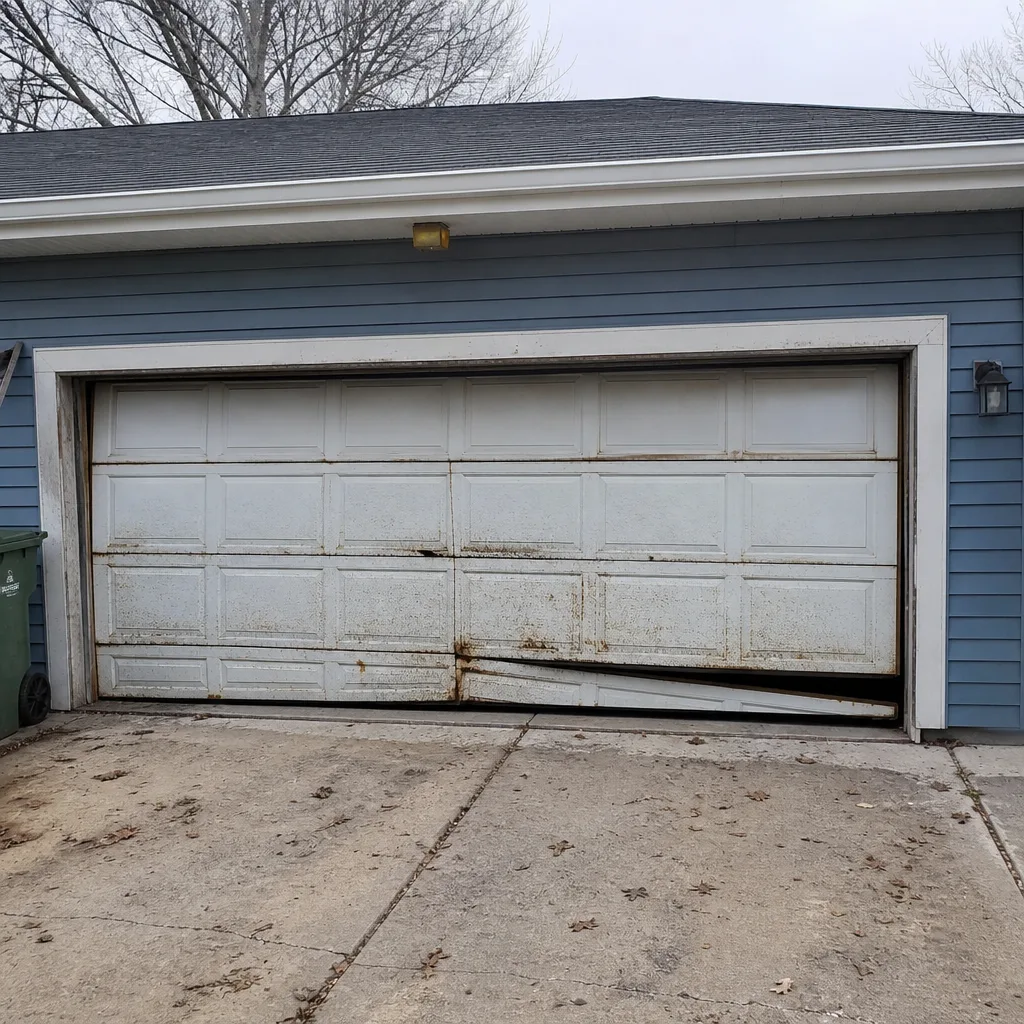 Before
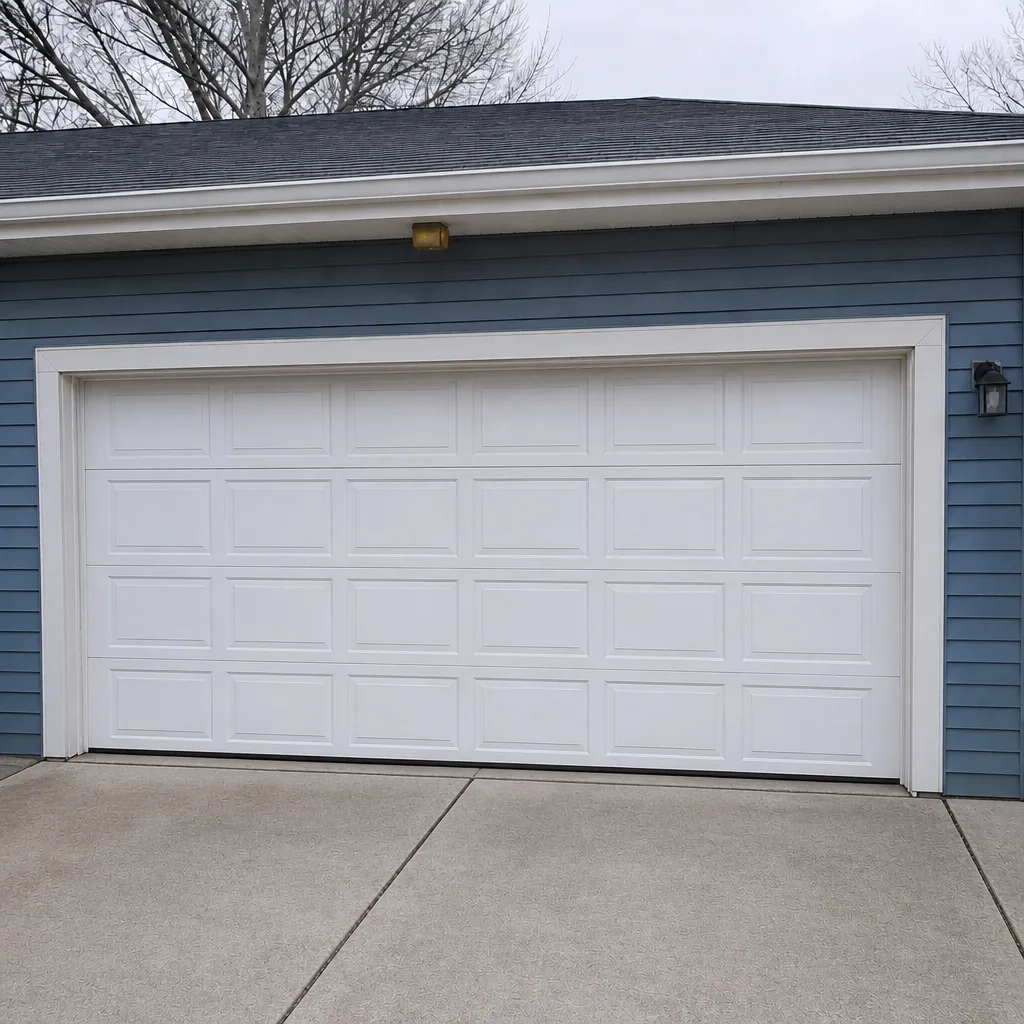 After
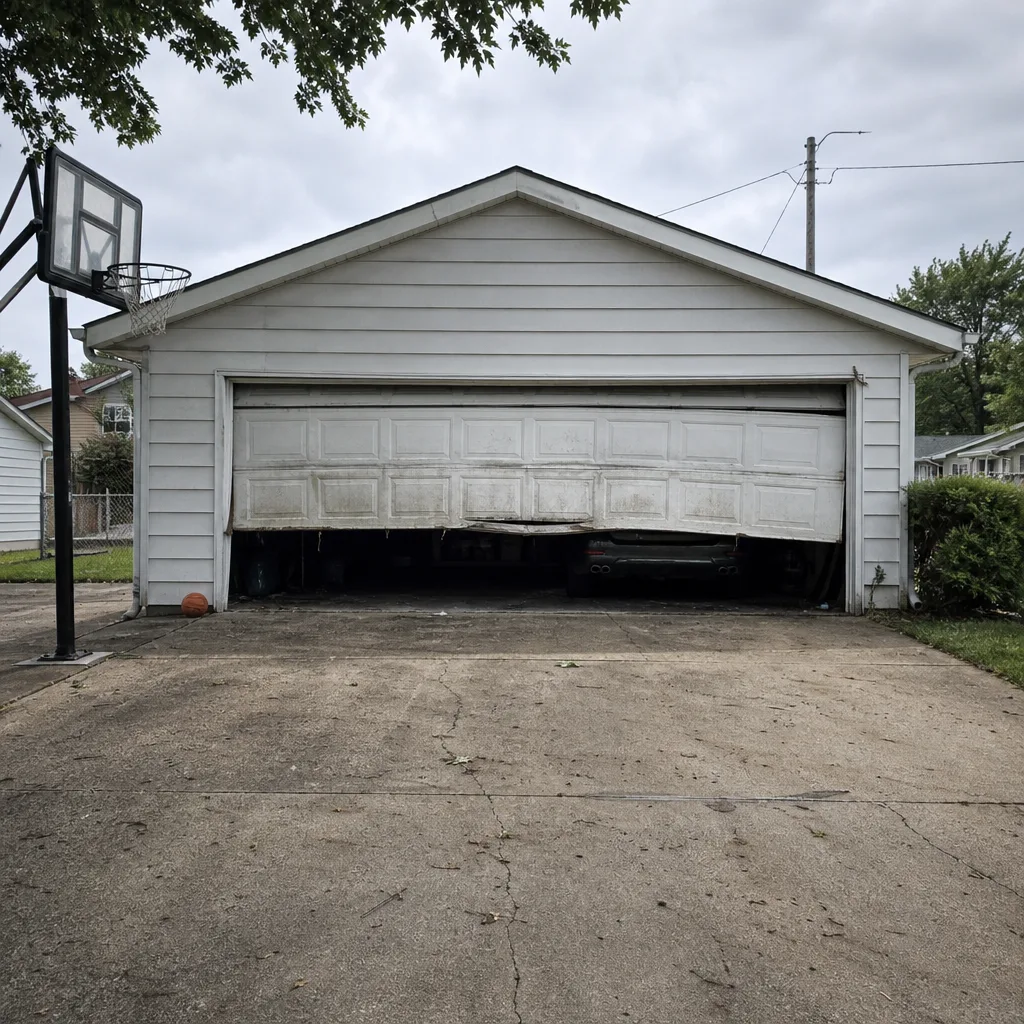 Before
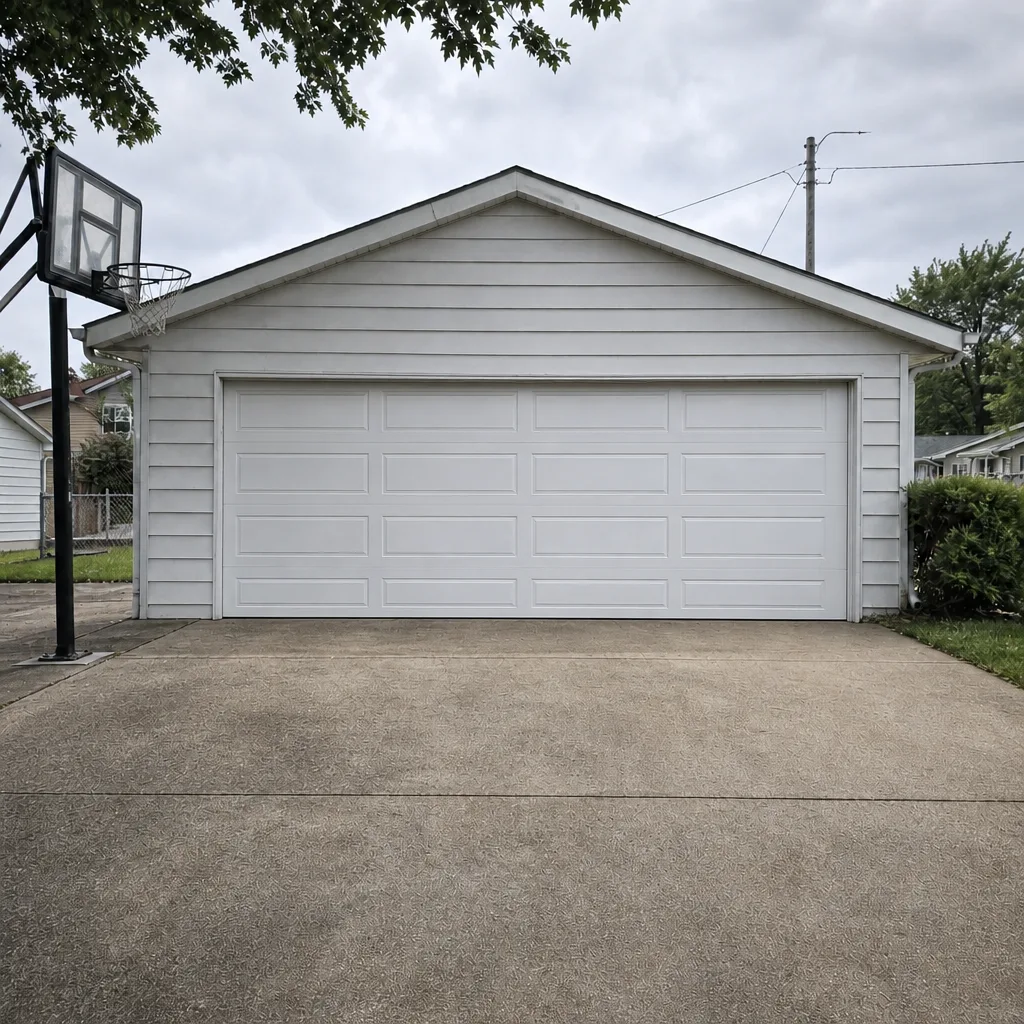 After
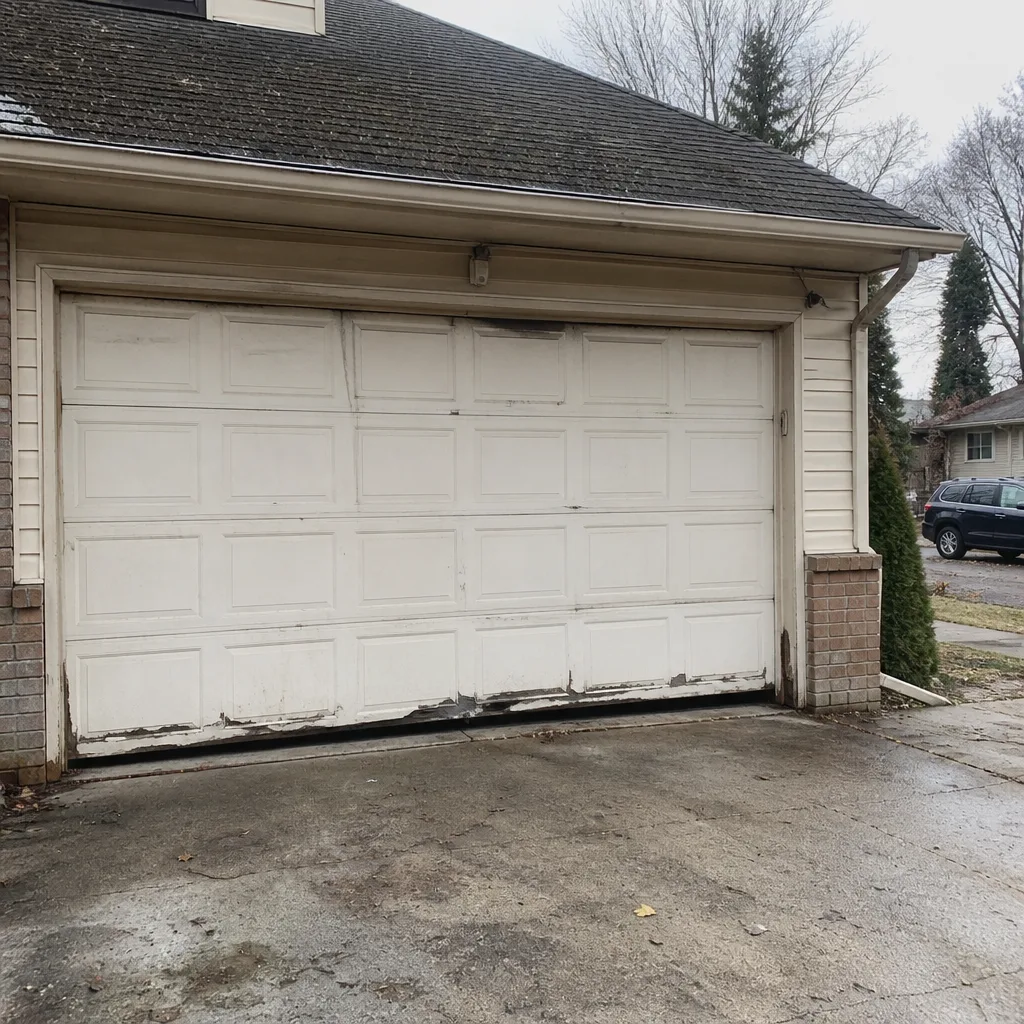 Before
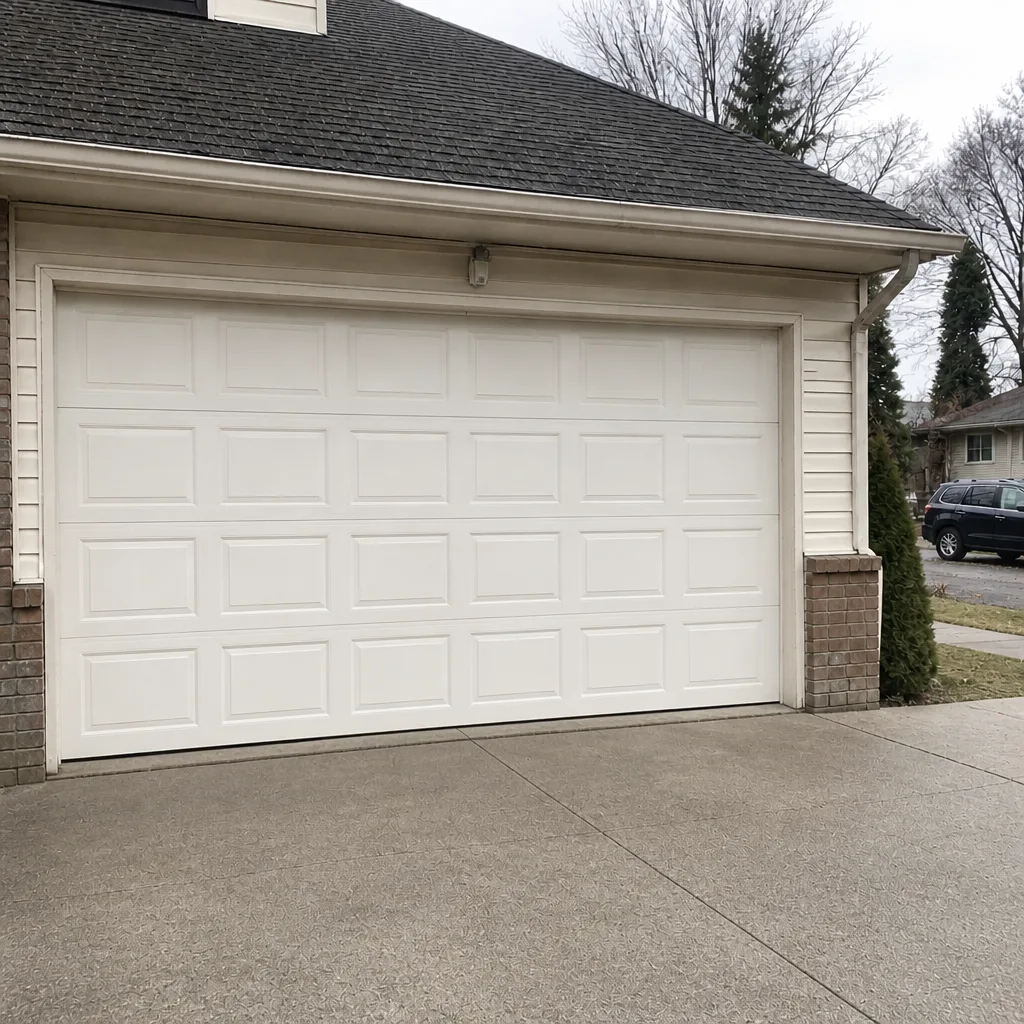 After
When to Call a Professional
Some garage door projects are genuinely do-it-yourself safe: cleaning tracks, replacing a bottom seal, tightening a loose bracket. Most of the rest aren’t, and knowing where the line is keeps Apple Valley homeowners out of trouble. Call us when a torsion spring snaps, when the door comes down lopsided or won’t stay up, when the opener runs but the door doesn’t move, when a panel is bent or structurally damaged, or when you’re considering a replacement that changes the opening dimensions. Any of those scenarios benefits from an experienced eye before anything gets ordered or removed.
The line between “permit-exempt swap” and “structural project” is one we walk through with homeowners regularly. Apple Valley Garage Door Repair Pros offers free estimates in Apple Valley and can tell you upfront whether your project looks like a simple replacement or one that needs the building department involved. Call (844) 914-3733 to set up an estimate.
Frequently Asked Questions
No, replacing a garage door in the same existing opening typically doesn’t require a permit in Apple Valley, because it’s considered a like-for-like swap rather than structural work. The same applies to replacing an opener on an existing door. If your project changes the opening size, replaces the header, or modifies framing, a permit from the City of Apple Valley Building Inspections division is typically required. Call (844) 914-3733 if you’re unsure which category your project falls into, and we can help you sort it out before you order anything.
Widening a single opening into a double almost always requires a permit because of the structural header replacement. If it’s done without one, the unpermitted work can surface during a title search or inspection at resale, and the homeowner typically bears the cost of retroactive permitting and any required corrections. It can also complicate an insurance claim involving the garage structure. The cleanest path is to get the permit before the door is ordered. Call (844) 914-3733 for an estimate on the project; the free walk-through helps clarify whether you’re in permit territory.
Yes, Section R309 of the Minnesota State Building Code applies to all attached garages regardless of whether a permit was issued, because it governs fire separation and life-safety requirements. The wall between an attached garage and living space has specific fire-separation requirements, and any repair that disturbs that wall must restore it to code. This is one of the most commonly overlooked details in door replacement projects. Call (844) 914-3733 if you’d like us to look at the wall assembly during an estimate.
Ask your contractor for the permit number before work starts, then look it up on the City of Apple Valley’s online permit portal to confirm the address, scope, and status. The permit description should match the project being done; a “structural review” permit doesn’t cover a simple door swap, for example. Also confirm who is scheduling inspections and that the permit will be closed at the end. Call (844) 914-3733 if you want a straight answer on whether your specific project needs a permit; estimates are free.
A header replacement typically requires a licensed structural engineer’s review when the wall is load-bearing, which is the usual case for attached garages in Apple Valley. The engineer documents the span, load, and replacement header design, and the City of Apple Valley building department typically wants that stamped design as part of the permit application. A common trigger is widening a single bay into a double. If your project changes the opening size or requires replacing the existing header, expect the structural review to come into play. Call (844) 914-3733 to talk through your specific opening.
An inspection is typically required after structural work involving a permit, but not after a simple like-for-like door or opener replacement that didn’t require a permit in the first place. When a permit is issued, inspections usually occur at the structural milestone and again at the end to verify fire separation and installation completeness. Always confirm with your contractor who is scheduling the inspections and that the permit was closed out. Call (844) 914-3733 to set up a free estimate and get clarity on your project’s inspection path.
The Bottom Line
The permit threshold in Apple Valley is really about what changes. Replacing a garage door or opener in the same opening is typically permit-exempt. Changing the opening size, replacing the header, or modifying framing around the door is where permits, structural review, and inspections enter the picture. Section R309 fire separation applies regardless of permit status, and the wall between an attached garage and living space must be restored to code if a project disturbs it. Verify permit numbers before work begins, confirm they’re closed out at the end, and check the City of Apple Valley’s permit portal for peace of mind. That’s the guide’s short version. For the project itself, we’re ready to help.
Apple Valley Garage Door Repair Pros connects Apple Valley homeowners with vetted local garage door professionals who handle everything from spring replacement to full installation. We work on eight major brands, we treat spring repair as the skilled service it is, and we tell you upfront whether your project needs the building department involved. Free estimates, upfront pricing, and the price is quoted and agreed before any work starts. Call (844) 914-3733 to schedule a free estimate today. Visit Apple Valley Garage Door Repair Pros for our full service overview.
Written by the team at Apple Valley Garage Door Repair Pros.